

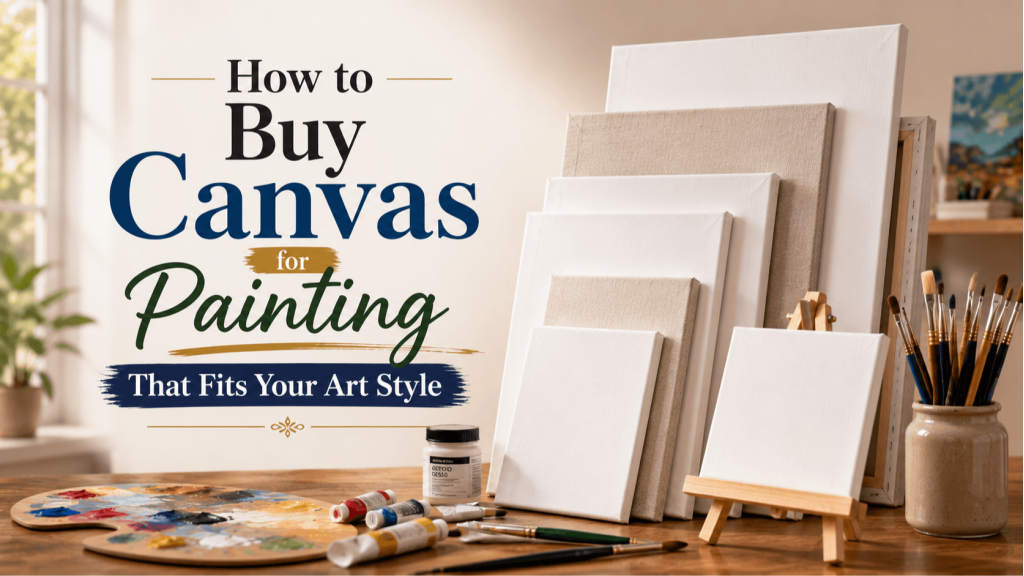
Choosing a canvas is not just about picking a blank surface. The size, weight, texture, shape, and support all influence how your paint behaves and how your finished work feels on the wall. If you want to buy canvas for painting that truly fits your art style, start by thinking like an artist and a shopper at the same time: What do you want to create, where will it be displayed, and which materials will help you get the result you imagine?
For UAE shoppers, buying canvas online is especially convenient because you can compare dimensions, formats, and related art supplies before you commit. The key is knowing what the product details actually mean, so you do not end up with a canvas that is too small, too rough, too flexible, or simply wrong for your technique.
Why the right canvas matters
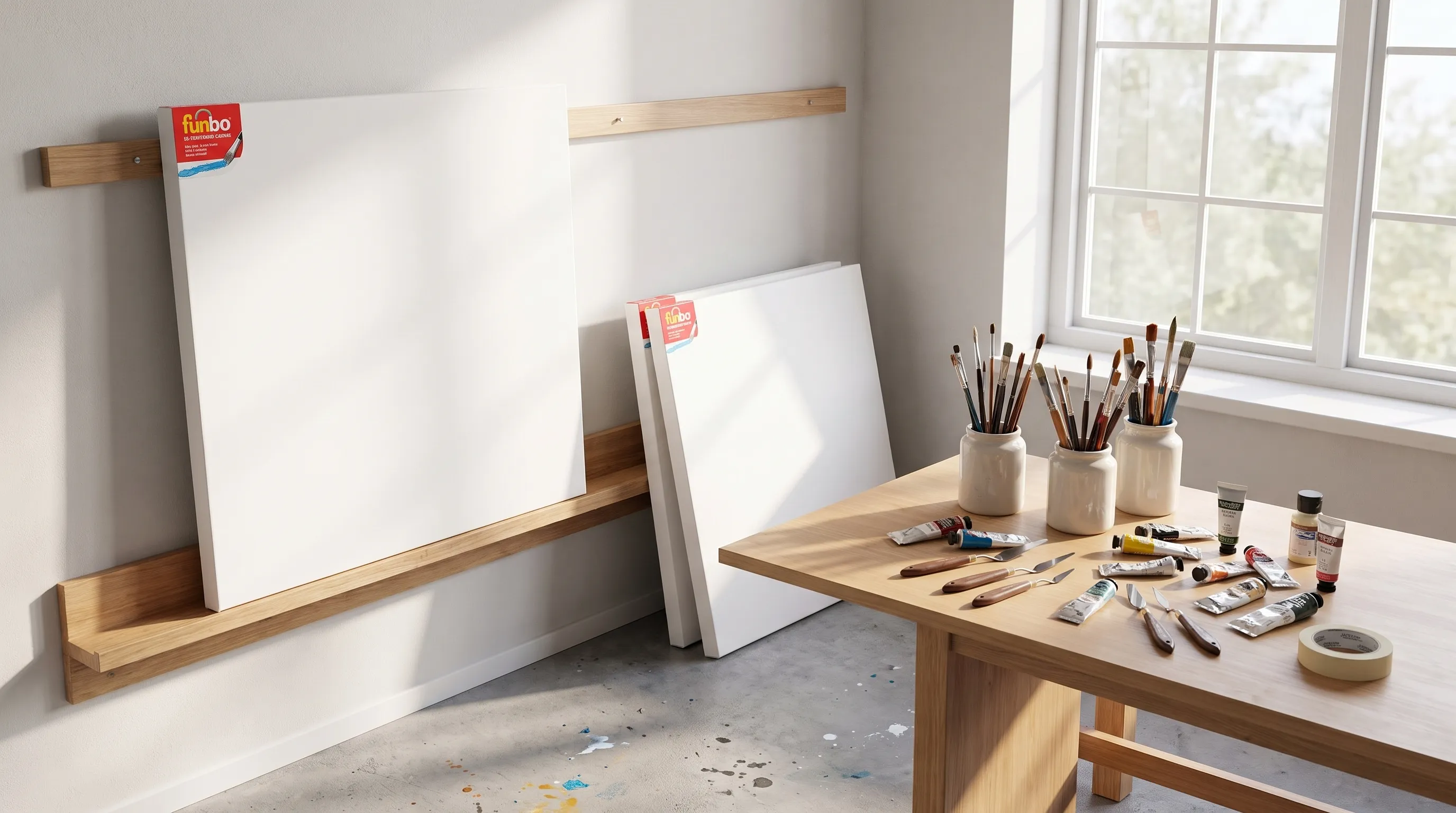
Canvas affects three things immediately: control, texture, and presentation. A smooth, tightly stretched surface gives you more control for fine lines, portraits, calligraphy, and decorative motifs. A heavier, more textured canvas can support expressive brushwork, palette knife marks, bold acrylic layers, and abstract compositions.
Presentation matters too. A small canvas may be perfect for studies, gifts, or shelf décor, while a large square canvas can become the focal point of a living room, studio, office, or majlis. If you paint for your home, your canvas choice should match both your art style and the space where the piece will live.
Start with your painting medium
Your first decision should be based on the type of paint you use most often. Acrylic, oil, mixed media, and decorative craft painting all place different demands on the canvas.
| Painting medium | Canvas qualities to look for | Why it matters |
|---|---|---|
| Acrylic paint | Primed, stretched, medium to heavy weight | Acrylic dries quickly and works well on a stable surface that can hold layers. |
| Oil paint | Properly primed canvas suitable for oils | Oil should not be applied directly to raw fabric because it can damage the fibres over time. |
| Palette knife painting | Firm stretched canvas with good tension | Thick strokes need support so the surface does not sag easily. |
| Fine detail work | Smoother texture and tighter weave | Portraits, lettering, and mandala details look cleaner on a less rough surface. |
| Mixed media | Stronger canvas and secure stretching | Added materials, texture paste, or collage elements need a more durable base. |
If you are unsure, choose a versatile stretched canvas and check the product description before purchasing. For beginners, acrylic painting is often the easiest starting point because it is forgiving, fast drying, and widely used on stretched canvas.
Match canvas size and shape to your art style
Canvas size can change the mood of a painting. A small canvas feels intimate and controlled. A large canvas feels expressive, bold, and decorative. Square canvases are especially useful for modern art, mandalas, abstract work, floral designs, and symmetrical compositions.
For example, a 90 x 90 cm square canvas gives you enough space for a strong statement piece without becoming overwhelming. If your style includes bold acrylic colour blocks, South Indian-inspired motifs, textured florals, or contemporary wall art, the Funbo Stretched 3D canvas 380 gms 90X90 cm is a relevant option to compare because of its square format and substantial listed canvas weight.
If you paint larger compositions, such as oversized abstracts, dramatic floral artwork, spiritual art, or a centrepiece for a spacious wall, a 120 x 120 cm canvas gives you more room to work. The Funbo Stretched 3D canvas 380 gms 120X120 cm, Stretched Canvas white canvas, canvas art store is worth considering when your artwork needs a larger square surface with strong visual presence.
Before buying a large canvas, measure the wall or area where you plan to display it. As a simple rule, artwork above a sofa, console, or dining unit often looks better when it fills a generous portion of the wall without touching the edges of the furniture visually.
Choose the canvas texture based on your technique
Canvas texture is sometimes called "tooth.” A rougher tooth grips paint and creates visible texture. A smoother surface supports fine lines and blended transitions. Neither is automatically better. The right choice depends on your style.
Abstract painters often enjoy a more textured surface because it makes brushstrokes feel energetic. Landscape artists may prefer a medium texture that can handle both broad sky areas and smaller details. Portrait artists, lettering artists, and decorative painters usually benefit from smoother surfaces because rough fibres can interrupt fine edges.
If you like experimenting, keep two types of canvas in your supplies: one smoother canvas for controlled work and one heavier or more textured option for expressive painting. This helps you learn how the same paint behaves differently across surfaces.
Understand stretched canvas, canvas board, pads, and rolls
When shopping online, you may see different canvas formats. Each one has a different purpose, so avoid choosing only by price or size.
| Canvas type | Best for | Main advantage | Possible limitation |
|---|---|---|---|
| Stretched canvas | Finished wall art, acrylics, oils, abstract work | Ready to paint and easy to display | Takes more storage space |
| Canvas board | Practice, studies, small gifts | Firm and usually compact | Less premium wall presence |
| Canvas pad | Sketching, colour tests, learning | Easy to store and use in batches | Usually needs framing or mounting |
| Canvas roll | Custom sizes and professional preparation | Flexible for advanced artists | Requires stretching or mounting |
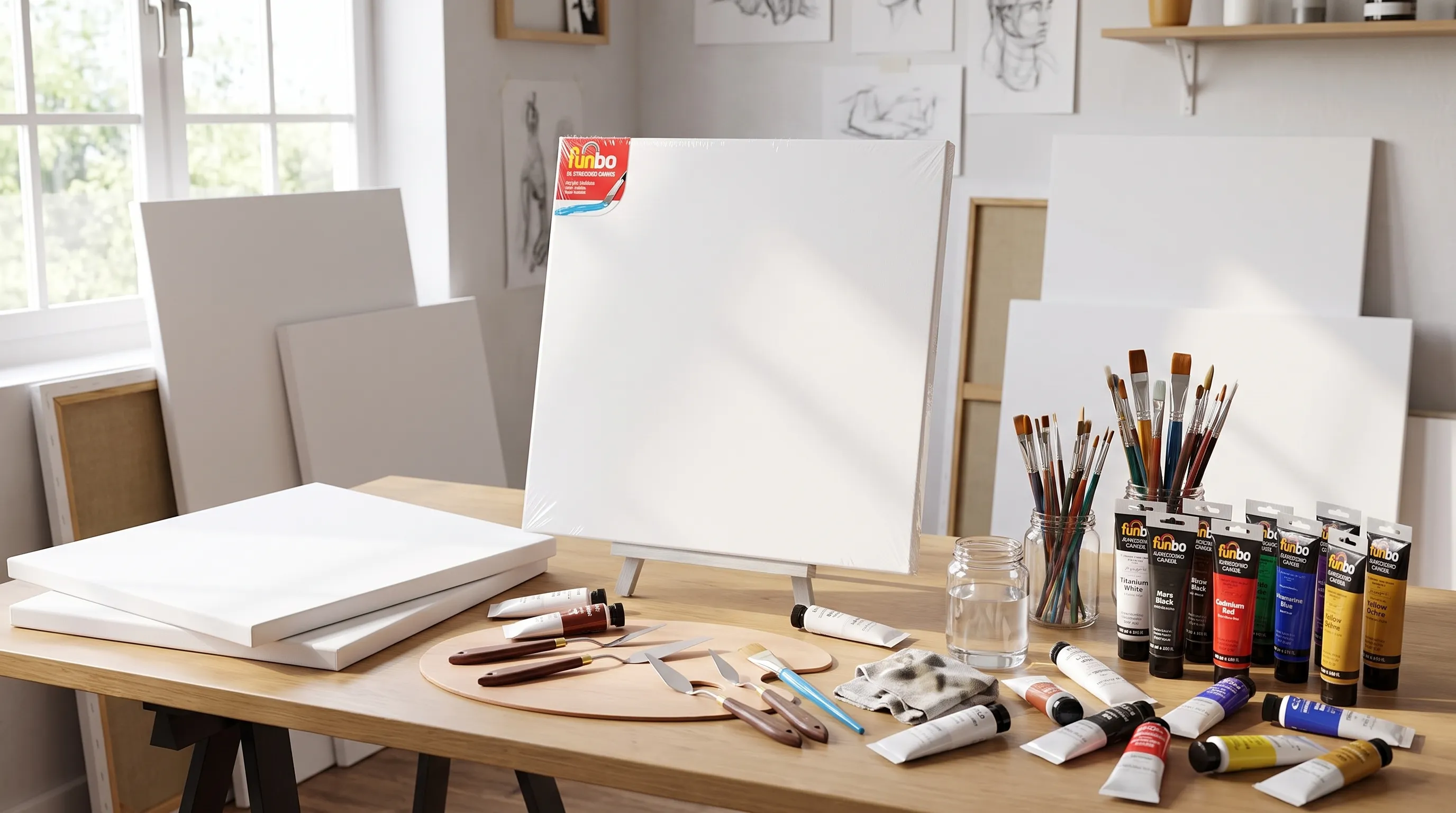
For most online shoppers and hobby artists, stretched canvas is the most convenient choice because it is already mounted on a frame. You can paint directly on it, let it dry, and display it without needing to stretch the fabric yourself.
Think about canvas weight, tension, and depth
Canvas weight is often shown in grams or gsm, depending on the listing. A higher listed weight generally suggests a more substantial fabric, although it should not be the only factor you consider. Tension, frame quality, priming, and size also matter.
A canvas should feel firm when you paint. If the surface moves too much under your brush, it can become difficult to create smooth lines or controlled strokes. For palette knife work or thick acrylic layers, a firmer stretched canvas helps you work with confidence.
Depth is another visual choice. A deeper canvas profile can create a contemporary, gallery-style look, especially if you paint the edges or leave them clean and white. This is useful when you want to hang the artwork without an additional frame.
Pair your canvas with the right tools
A good canvas cannot do all the work alone. Brushes, palette knives, and storage accessories affect the painting experience just as much. If your canvas is large, you may need wider brushes for backgrounds and expressive marks. If your style is detailed, you need smaller brushes that hold their shape.
For everyday acrylic and craft painting, a versatile brush set such as Ranger Artist Brushes can help you move between base coats, outlines, and decorative details. If you already own several brushes, keeping them protected in a Mont Marte Brush Case can make your setup more organised, especially if you paint in different rooms or carry supplies to classes.
Display tools also matter. While stretched canvas can often be hung directly, sketches, paper studies, posters, or practice pieces may need a different solution. For works on paper, a simple display accessory like a wooden magnetic poster hanger frame can be useful when you want to rotate artwork without traditional framing.
Canvas recommendations by art style
If you are still unsure what to choose, use your art style as the guide. This is often easier than trying to compare every product specification at once.
| Art style | Suggested canvas choice | Shopping tip |
|---|---|---|
| Modern abstract | Medium or large stretched canvas | Choose a size that gives your gestures room to breathe. |
| Mandala or geometric art | Square canvas with a stable surface | A square format supports symmetry and central compositions. |
| Portraits | Smoother stretched canvas | Fine facial details are easier on a less textured surface. |
| Florals and botanicals | Medium texture canvas | Texture adds life to petals and leaves without overpowering them. |
| Home décor painting | Larger stretched canvas | Match the scale to the wall, not just the table where you paint. |
| Practice and learning | Smaller canvas or canvas board | Use affordable sizes for testing colour, brushwork, and composition. |
For many artists, the best approach is to buy one canvas for a finished piece and one smaller surface for testing. Before starting on a large canvas, try your colour palette, brush pressure, and texture technique on the smaller surface. This reduces mistakes and makes the final piece feel more intentional.
Common mistakes to avoid when buying canvas online
One of the most common mistakes is choosing a canvas that is too small for the idea. Large flowers, expressive abstracts, and detailed cultural motifs can feel cramped if the surface does not give them enough breathing room. If your artwork is meant to become wall décor, think beyond the painting table and imagine it in the room.
Another mistake is ignoring texture. A heavily textured canvas may look attractive in photos, but it can make fine lettering or delicate linework harder. Similarly, choosing a very smooth surface for thick, expressive painting may not give you the grip and character you want.
Online shoppers should also read dimensions carefully. A 90 x 90 cm canvas and a 120 x 120 cm canvas are both square, but they create very different visual impact. Check whether the size suits your wall, your storage space, and your painting setup.
Finally, do not forget the supplies around the canvas. Paint, brushes, cleaning cloths, masking tape, varnish, and storage all affect the final result. A canvas is the foundation, but the full setup helps you enjoy the process.
A simple checklist before you buy
Use this quick checklist before adding a canvas to your cart:
- Confirm the painting medium you plan to use, such as acrylic or oil.
- Choose the size based on the final display space, not only your desk space.
- Pick a shape that suits the composition, such as square for mandalas or abstract centrepieces.
- Check the listed canvas weight and whether the surface looks suitable for your technique.
- Decide whether you want a stretched canvas, board, pad, or roll.
- Make sure you have the right brush sizes for both backgrounds and details.
- Consider how the finished artwork will be displayed or stored.
This small pause before buying can save you time, money, and frustration, especially when ordering larger canvases online.
Caring for canvas art in the UAE
After you finish painting, protect the artwork from harsh conditions. In the UAE, heat, bright sunlight, air conditioning, and humidity changes can all affect art materials over time. Keep finished canvases away from direct sunlight where possible, avoid placing them near strong AC vents, and allow paint to dry fully before stacking or wrapping.
If you paint with acrylics, wait until the surface is completely dry before moving the canvas. For thicker texture work, drying can take longer than the surface appearance suggests. When storing blank or finished canvases, keep them upright in a clean, dry area and avoid pressing heavy objects against the painted surface.
Frequently Asked Questions
What is the best canvas size for beginners? Beginners often do well with small to medium canvases because they are easier to control and less intimidating. Once you understand your brushwork and colour style, you can move to larger statement sizes.
Is a square canvas good for painting? Yes, a square canvas is excellent for abstract art, mandalas, florals, geometric designs, and modern home décor. It gives a balanced composition and works well as a central wall piece.
What does canvas weight mean when shopping online? Canvas weight indicates how substantial the fabric may be. It is useful, but you should also consider stretching, priming, size, and the type of painting you plan to create.
Should I buy stretched canvas or canvas board? Choose stretched canvas if you want a finished artwork that is easier to display. Choose canvas board for practice, studies, small projects, or budget-friendly experimentation.
Can I use acrylic paint on stretched canvas? Yes, acrylic paint is commonly used on stretched canvas. It is a popular choice for beginners and experienced artists because it dries quickly, layers well, and suits many art styles.
Ready to choose your canvas?
The best canvas is the one that supports your style, your technique, and your display plans. For fine details, choose a smoother and more controlled surface. For bold abstract work, look for a larger, stronger canvas that can handle movement and texture. For home décor, think about wall size and visual impact before you buy.
When you shop for art supplies online in the UAE, compare canvas size, format, weight, and accessories together. A thoughtful choice at the beginning makes the painting process smoother and helps your finished artwork look more professional on the wall.

Comments