

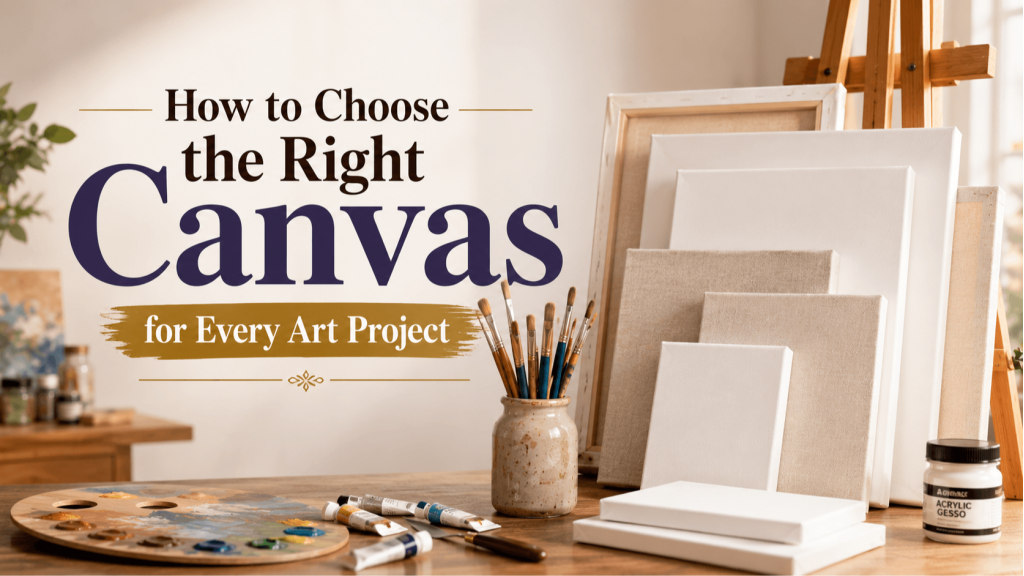
Choosing a canvas is not just a matter of picking the biggest blank surface you can find. The right canvas affects how paint moves, how colours sit, how much texture shows through, and whether the final artwork feels like a quick study, a gift, or a polished wall piece.
For online shoppers in the UAE, the choice can feel even more confusing because product listings often use similar words, such as canvas, stretched canvas, 3D canvas, canvas board, or artist canvas. This guide breaks the decision down by project type, paint medium, size, texture, and display purpose so you can buy with confidence.
Why the right canvas matters
A canvas is the foundation of the artwork. If it is too flimsy, too absorbent, too rough, or the wrong size, even good paints and brushes can feel difficult to control. If it suits the project, it makes the process smoother from the first sketch to the final varnish.
Tate describes canvas as a woven fabric support traditionally used for painting, often stretched over a wooden frame. That simple definition explains why canvas choice involves more than surface appearance. You are choosing fabric, tension, weight, texture, preparation, and format all at once.
A small canvas panel may be perfect for children’s art or quick acrylic studies. A heavy stretched canvas may be better for a living room painting. A deep-edge canvas can become part of the décor because the sides remain visible. A textured surface can add energy to expressive brushwork, while a smoother one can support fine details and portrait work.
Start with the project, not the product
Before buying a canvas, define what you want to create. A project-first approach helps you avoid paying for features you do not need or choosing a surface that fights your technique.
Ask yourself these questions before adding a canvas to your cart:
- What medium will I use, acrylic, oil, mixed media, markers, or craft paint?
- Is this a practice piece, a school project, a gift, or a finished artwork for display?
- Do I need a surface that is ready to hang, or will I frame it later?
- Will I paint thin layers, thick textures, or heavy mixed-media effects?
- How much wall space, table space, and storage space do I have?
Here is a quick way to match common art projects with suitable canvas types.
| Art project | Best canvas direction | Why it works |
|---|---|---|
| Beginner acrylic practice | Canvas pad, canvas sheet, or small panel | Affordable, easy to store, and good for repeated practice |
| Finished acrylic painting | Primed stretched canvas or heavier artist canvas | Handles layers better and looks more complete on display |
| Oil painting | Properly prepared canvas suitable for oils | Helps protect the fabric from oil absorption |
| Mixed media | Heavy canvas or sturdy stretched canvas | Better support for texture, paste, and added elements |
| Wall décor | Stretched canvas, deep-edge canvas, or large format canvas | Creates a clean decorative finish without needing a heavy frame |
| Kids’ craft projects | Small panels or economical canvas packs | Easier to manage, carry, and finish in one sitting |
Match the canvas to your paint medium
Different paints behave differently on canvas. Matching the surface to the medium is the fastest way to improve the painting experience.
Acrylic paint
Acrylic is the most flexible medium for canvas. It dries quickly, works in thin or thick layers, and usually performs well on pre-primed canvas. Beginners can use smaller canvases or panels to test colour mixing and brush control. More experienced artists may prefer a heavier surface for palette knife work, bold texture, or layered backgrounds.
For acrylic wall art, look for a canvas with enough tension and weight to stay stable while you paint. A medium texture is usually a safe choice because it gives the brush something to grip without making detail work too difficult.
Oil paint
Oil paint needs more care. Raw fabric can absorb oil, which may weaken the support over time. For oil painting, choose a canvas that is prepared for oils or clearly primed in a way that suits oil-based work. If the listing is unclear, do not assume. Check the product details before buying.
Oil painting also rewards patience. Since drying takes longer, a stretched canvas or stable panel is helpful because the artwork may need to sit safely for days or weeks between layers.
Mixed media and craft effects
Mixed media can include acrylic paint, collage, texture paste, pearl effects, markers, metallic details, or decorative accents. Because these projects can add weight and moisture, choose a sturdier canvas whenever possible.
If you are adding pearlescent or raised details, test the material first on a corner or spare surface. For example, craft accents such as Ranger Liquid Pearls Taffy or the deeper-toned Ranger Liquid Pearls Slate can be useful for decorative highlights, lettering, borders, and small embellishments when they suit the project. Always let sample marks dry fully before applying them to a finished artwork.
Watercolour and ink
Standard canvas is usually not the easiest surface for watercolour because watercolour needs absorbency and controlled spreading. Unless the product specifically says it is watercolour canvas, watercolour paper is usually a better choice. Ink can work on canvas, but textured surfaces may interrupt fine lines, so test first if your project depends on crisp details.
Choose the right canvas format
Canvas format affects both the painting process and the final display. A good format saves time and helps the finished piece look intentional.
Stretched canvas is fabric pulled over a wooden frame. It is popular for finished paintings and home décor because it often looks complete without a separate frame. It is also comfortable to paint on because the surface has some bounce.
Canvas boards and panels are usually flatter and easier to transport. They are good for studies, classes, children’s art, small gifts, and artists who want to practice without filling a room with stretched frames.
Canvas pads and sheets work well for experiments. They let you test colours, compositions, and techniques before committing to a larger piece.
Rolled canvas is useful for artists who want to stretch their own surfaces or create custom sizes. It gives more control, but it requires extra tools and experience.
Deep-edge or 3D canvas has thicker sides, making it useful for modern wall décor. You can paint the edges, leave them clean, or use the depth as part of the design.
How canvas weight and texture affect results
Canvas weight is often shown as GSM, meaning grams per square metre. A higher GSM generally indicates a heavier fabric, but weight is only one factor. Priming, weave, stretcher quality, and tension also matter.
A heavier surface can feel more stable for larger work, textured acrylics, and mixed-media projects. A lighter canvas may be enough for practice, sketches, and thin paint layers. Texture also changes the look of the painting. Rougher canvas creates visible brush drag and expressive marks, while smoother canvas supports details and clean edges.
| Canvas feature | What it changes | Choose it when |
|---|---|---|
| Fine texture | Smoother brush marks and cleaner details | Portraits, lettering, fine lines, realistic work |
| Medium texture | Balanced grip and versatility | Acrylic landscapes, abstract art, hobby painting |
| Heavier GSM | More substantial feel and better support for layers | Larger work, textured paint, mixed media |
| Deep edge | More decorative side profile | Wall art, gallery-style display, frameless décor |
| Pre-primed surface | Easier start for most painters | Beginners, acrylic painting, quick projects |
For shoppers who want a substantial surface for varied art projects, a 380 GSM option such as the Premium Quality 380GSM Canvas for Artistic Creations can be a practical choice to compare against lighter alternatives. As with any art supply, check the product page details, size, and suitability for your preferred medium before purchasing.
Plan size, display, and delivery before you buy
Canvas size should match both the artwork and the space where it will live. A4 or smaller sizes are easy for practice, gifts, and children’s projects. Medium canvases work well for bedrooms, study areas, and small living room walls. Large canvases make a stronger statement but need more planning.
Before choosing a large canvas, measure the wall, the table or easel you will use, and the delivery path into your home. A 100 x 120 cm canvas can look impressive, but it also needs enough room for painting, drying, and hanging.
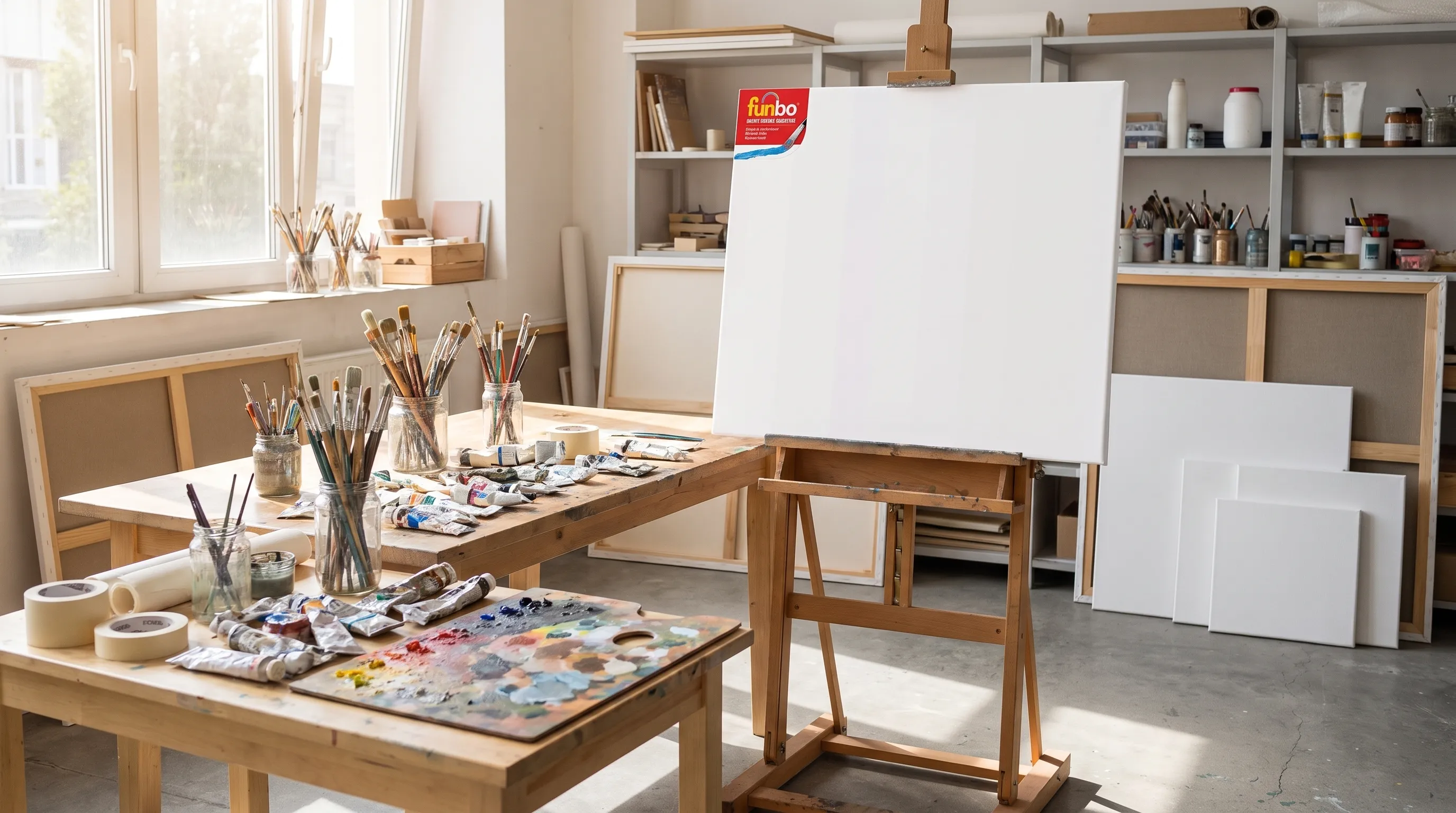
For a statement piece or wall décor project, the Funbo Stretched 3D canvas 380 gms 100X120 cm is an example of a large stretched option to consider when your composition needs scale. Because the size is substantial, plan the design in advance with a small sketch before painting directly on the final surface.
A UAE shopper’s checklist for buying canvas online
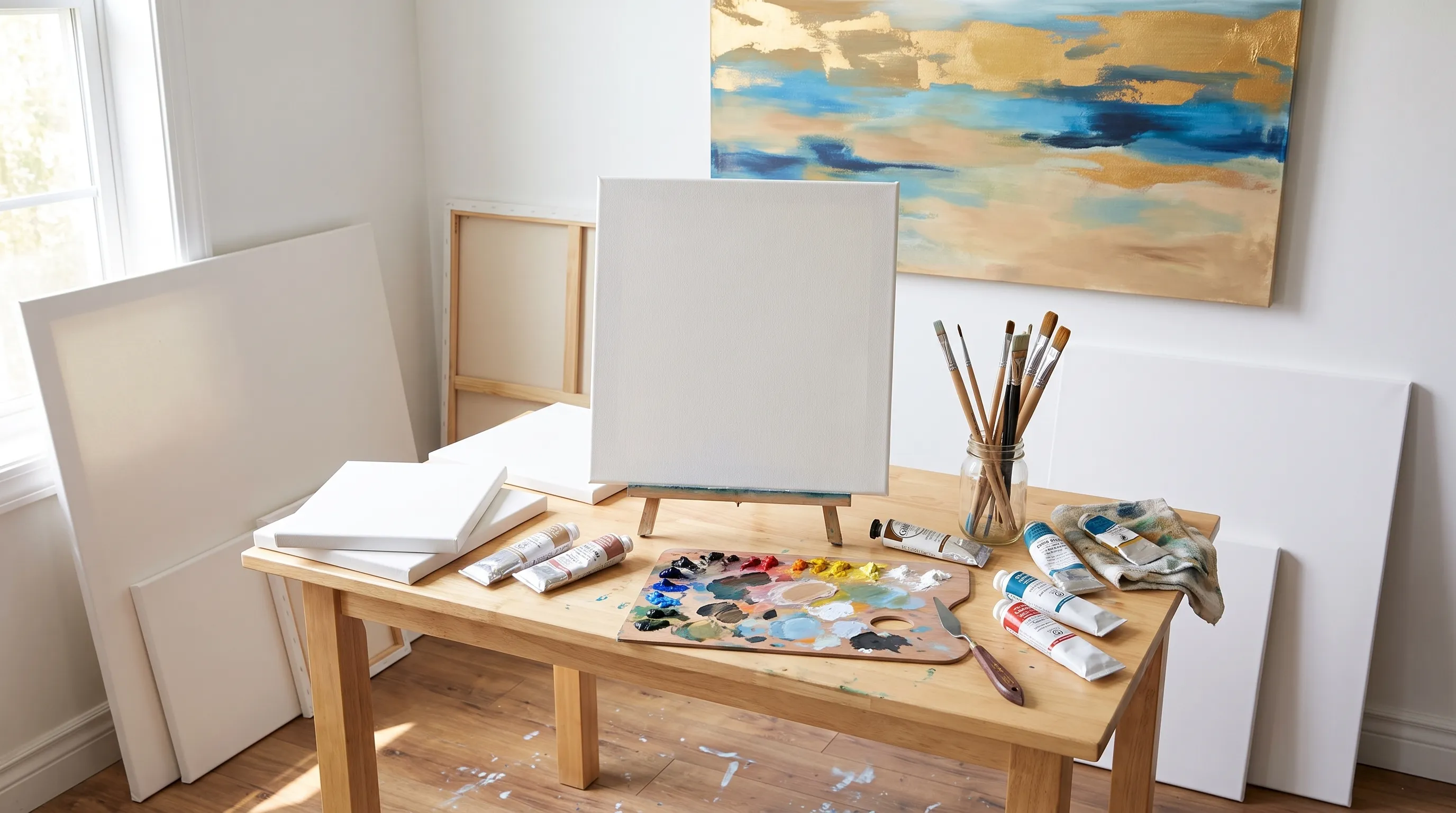
When shopping through a marketplace such as Sandhai’s online shopping platform, product comparison becomes much easier if you know what details to look for. Do not rely only on the product photo, since canvas thickness, texture, and size can be hard to judge from images alone.
Use this simple checklist before you buy:
- Format: Check whether it is stretched canvas, canvas board, canvas sheet, rolled canvas, or deep-edge canvas.
- Size: Confirm the dimensions in centimetres and imagine the artwork on your actual wall or desk.
- Weight: Look for GSM if listed, especially for large or textured projects.
- Surface: Check whether the canvas is primed, unprimed, smooth, textured, or suited to a specific medium.
- Edge style: For wall décor, decide whether the sides will be visible and whether you want to paint them.
- Quantity: For classes, children’s activities, or practice, compare single pieces with multi-pack options if available.
- Delivery and storage: Make sure you have a safe place to receive, store, paint, and dry the canvas.
This checklist is especially useful in UAE homes where air conditioning, sunlight, and storage space can all affect art supplies. Keep canvases flat or upright in a clean, dry area, away from direct sunlight and moisture.
Common canvas mistakes to avoid
The first mistake is buying too large too soon. A large canvas is exciting, but it also magnifies every composition problem. If you are unsure about colour placement, test the design on a small canvas or paper sketch first.
The second mistake is ignoring texture. Fine detail work on a rough canvas can become frustrating because the brush catches on the weave. On the other hand, expressive abstract painting may look flat on a surface that is too smooth.
The third mistake is choosing only by price. A cheaper canvas may be fine for practice, but a gift, commission, or display piece deserves a surface that fits the medium and scale. Value is about matching the canvas to the purpose, not simply buying the lowest-cost option.
The fourth mistake is forgetting the edges. On stretched and 3D canvases, the sides may be visible after hanging. Decide whether you will paint them, continue the image around them, or keep them clean.
Care and storage after the artwork is finished
A good canvas choice helps the artwork begin well, but care keeps it looking good. Let the painting dry properly before stacking, wrapping, framing, or hanging it. Acrylic may feel dry quickly but can still be delicate beneath thicker areas. Oil paintings need much longer before varnishing or tight wrapping.
Avoid hanging finished canvas art in direct sunlight, near steam, or in areas with constant temperature changes. The Smithsonian’s guidance on caring for paintings highlights the importance of careful handling and stable display conditions. In UAE homes, that means being mindful of bright windows, balcony doors, kitchens, and damp storage corners.
If you are gifting or moving a canvas, protect the painted surface with suitable wrapping and avoid pressing anything directly onto thick paint, raised accents, or textured areas.
Frequently Asked Questions
What GSM canvas is best for painting? There is no single best GSM for every artist. Lighter canvases can work for practice and thin layers, while heavier options are better for larger pieces, textured acrylics, and mixed media. Around 380 GSM is a substantial option for many art projects, but format and surface preparation still matter.
Is stretched canvas better than canvas board? Stretched canvas is usually better for finished wall art because it has a display-ready feel. Canvas board is often better for practice, classes, travel, and small projects because it is flatter and easier to store.
Can beginners use large canvas? Yes, but it is better to sketch the composition first. Large canvas requires more paint, more time, and more planning. Beginners may find medium sizes easier while they build confidence.
Do I need to prime a canvas before painting? Many canvases are sold pre-primed, but not all. Always check the product details. Oil painting especially needs a properly prepared surface, while acrylic is more forgiving on many pre-primed canvases.
Which canvas is best for wall décor? Stretched canvas or deep-edge canvas is usually best for wall décor because it can look complete without a traditional frame. Choose a size that fits the wall and a texture that suits your painting style.
Build your next art project with confidence
The right canvas depends on your medium, technique, size, and final display plan. Once you know whether you need a practice surface, a sturdy mixed-media base, or a large stretched canvas for wall décor, shopping becomes much easier.
Explore canvas options, craft accents, and everyday creative supplies through Sandhai, and choose the surface that supports your idea from the first brushstroke to the finished piece.

Comments