

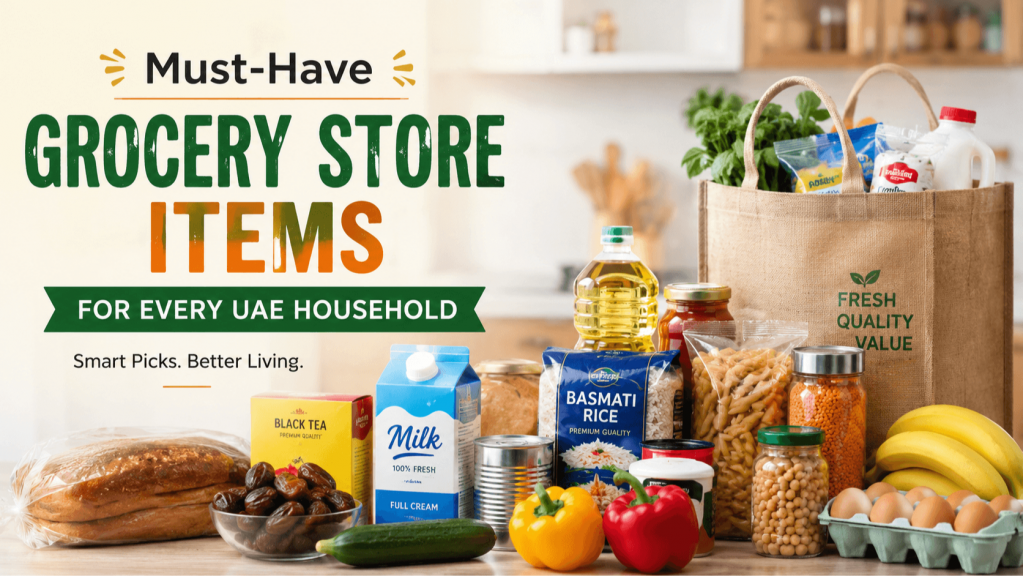
For busy UAE households, the best grocery list is not the longest one. It is the one that helps you cook quickly, host confidently, manage family preferences, and avoid last-minute supermarket runs. The right grocery store items can turn a simple pantry into a reliable weekly meal system, whether your home cooks Emirati, Indian, Tamil, Filipino, Arabic, or mixed-cuisine meals.
In the UAE, grocery shopping also has a few unique realities. Warm weather affects storage, families often buy both local and imported staples, and work schedules make convenience important. That is why many households now combine planned pantry stocking with online shopping in the UAE through Sandhai.ae for groceries, daily essentials, traditional Indian products, and home needs in one place.
Below is a practical, UAE-ready checklist of must-have grocery store items to keep your kitchen prepared without overbuying.
What makes a grocery item must-have for UAE homes?
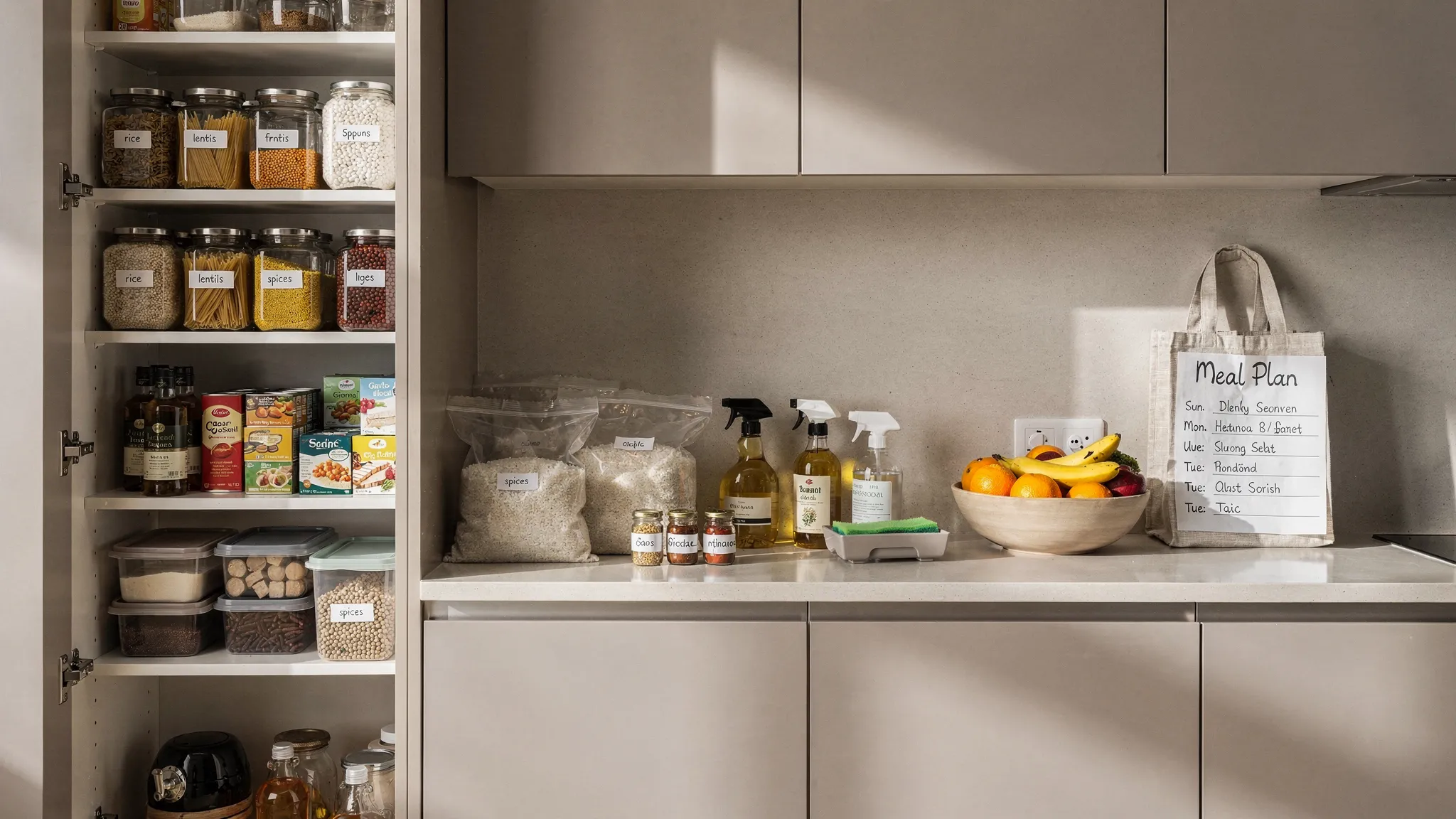
A must-have grocery item is something you use often, stores well, supports multiple meals, and fits your household habits. For example, rice is essential in many South Indian homes, while oats, bread, eggs, and yogurt may matter more for quick weekday breakfasts. Spices, cooking oils, lentils, onions, tomatoes, and cleaning supplies are universal because they keep the home running every day.
The goal is balance. Your list should include dry pantry staples, fresh ingredients, chilled items, freezer backups, personal care basics, and household cleaning products. When these categories are covered, you can handle breakfast, lunch boxes, dinners, guests, festivals, and unexpected busy days with less stress.
UAE household grocery essentials at a glance
Use this table as a foundation, then adjust quantities based on family size, diet, and cooking frequency.
| Category | Must-have items | Why they matter |
|---|---|---|
| Grains and flours | Rice, basmati rice, atta, maida, oats, pasta, noodles, bread | Forms the base for everyday meals, lunch boxes, and quick dinners |
| Pulses and proteins | Toor dal, urad dal, moong dal, chana, rajma, chickpeas, eggs, paneer, tofu | Adds protein, fiber, and variety to vegetarian and non-vegetarian meals |
| Cooking fats | Sunflower oil, coconut oil, olive oil, ghee, butter | Needed for cooking, tempering, baking, and traditional recipes |
| Spices and masalas | Turmeric, chili powder, coriander, cumin, pepper, garam masala, sambar powder, rasam powder | Builds flavor across Indian, Arabic, and international dishes |
| Fresh produce | Onions, tomatoes, potatoes, garlic, ginger, lemons, greens, cucumbers, carrots | Supports curries, salads, sides, soups, and healthy snacks |
| Chilled items | Milk, yogurt, cheese, laban, curd, fresh juice | Useful for breakfast, cooking, beverages, and children’s snacks |
| Frozen and canned foods | Frozen vegetables, peas, corn, coconut milk, canned tomatoes, tuna, beans | Helps when fresh items run out or you need a fast meal |
| Snacks and beverages | Tea, coffee, dates, nuts, biscuits, cereals, juices, South Indian snacks | Keeps the home ready for guests, school snacks, and tea time |
| Cleaning essentials | Dishwash liquid, detergent, tissues, garbage bags, floor cleaner | Keeps kitchens and living spaces hygienic and organized |
| Personal care basics | Soap, shampoo, toothpaste, sanitary products, handwash | Prevents urgent trips for everyday necessities |
Pantry staples: the backbone of everyday cooking
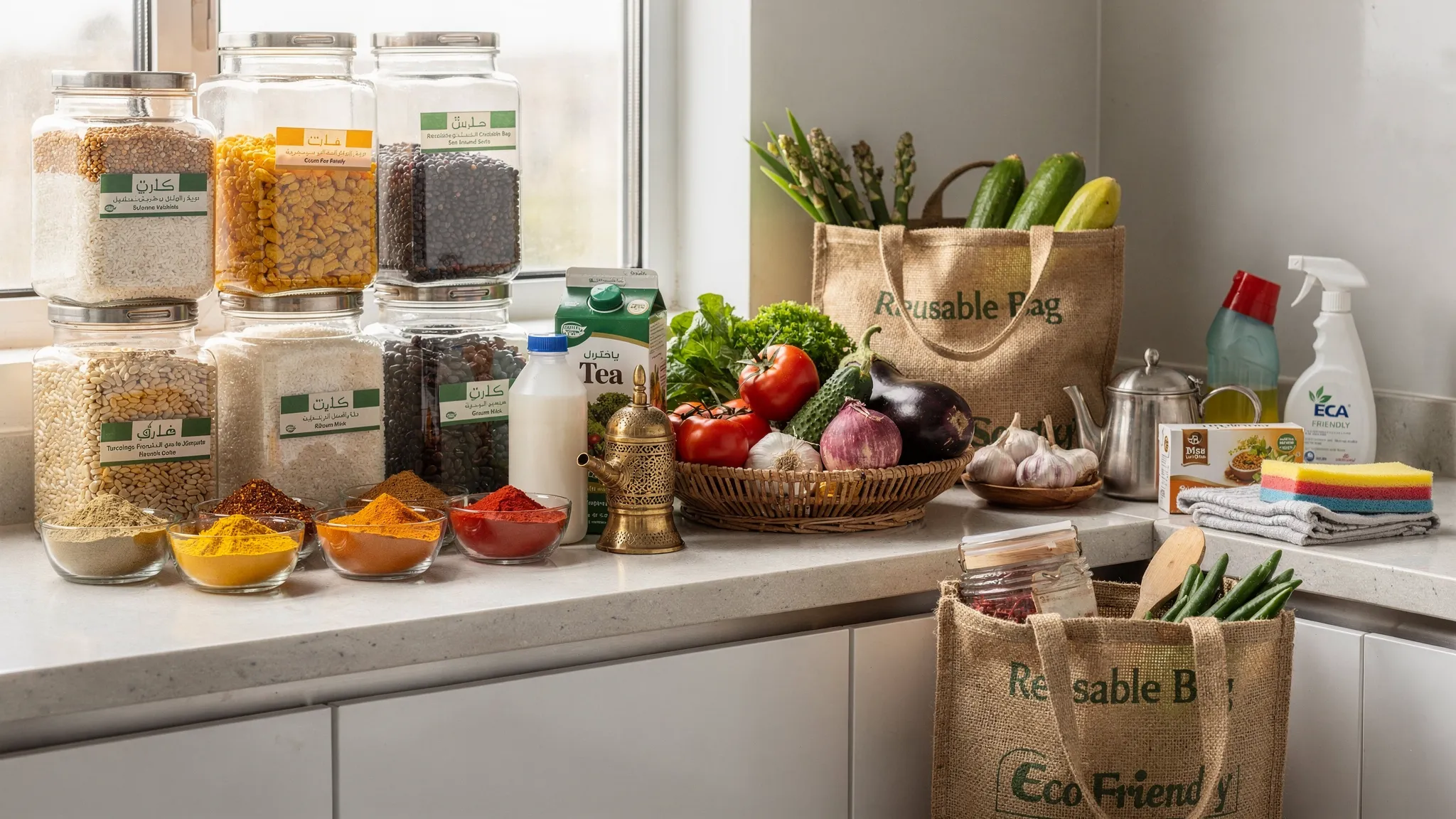
Dry pantry staples are the most important grocery store items because they last longer and support many meals. For most UAE homes, rice, atta, pasta, oats, and noodles are worth keeping in regular rotation. If your household cooks South Indian meals often, include idli rice, raw rice, poha, rava, vermicelli, and appalam depending on your preferences.
Lentils and beans are equally important. Toor dal can become sambar or dal fry, urad dal supports idli and dosa batter, chana and rajma make filling meals, and moong dal works for light, quick cooking. These items are budget-friendly, easy to store, and suitable for both weekday meals and batch cooking.
When buying pantry staples, choose quantities you can finish before they lose freshness. Large bags may look economical, but they need airtight containers and cool, dry storage. In UAE apartments, especially during summer, proper storage is not optional. It helps protect grains and flours from moisture, pests, and stale flavors.
If you prefer to restock staples without visiting multiple stores, browse groceries and daily essentials on Sandhai and build a monthly pantry list around your most-used items.
Spices, condiments, and traditional Indian basics
For many households, spices are not optional extras. They are what make a pantry functional. A simple spice box should include turmeric, red chili powder, coriander powder, cumin seeds, mustard seeds, black pepper, fennel, fenugreek, cinnamon, cardamom, cloves, and bay leaves. These support everything from biryani and pulao to sambar, rasam, vegetable poriyal, soups, marinades, and gravies.
South Indian and Tamil households may also want to keep curry leaves, tamarind, dried red chilies, asafoetida, jaggery, coconut, sesame oil, sambar powder, rasam powder, idli podi, pickles, and ready mixes for busy mornings. These ingredients save time while keeping meals close to home-style flavors.
Condiments also matter. Ketchup, chili sauce, soy sauce, vinegar, mayonnaise, chutney powders, and pickles can make quick meals more enjoyable. For families with children, these items often help turn simple sandwiches, rolls, and snacks into something lunchbox-friendly.
For authentic pantry additions, explore traditional Indian products at Sandhai.ae and keep a dedicated section in your kitchen for spices, masalas, sweets, and festival-friendly ingredients.
Fresh produce to buy every week
Fresh groceries are best managed weekly because they vary in shelf life. Onions, potatoes, garlic, and ginger last longer than leafy greens, tomatoes, cucumbers, or berries. A smart weekly basket should include ingredients you can use across multiple dishes instead of one-off items that may spoil.
For most UAE homes, the weekly fresh list should include onions, tomatoes, potatoes, carrots, cucumbers, lemons, green chilies, coriander, mint, curry leaves, and at least two leafy greens. Add seasonal fruits such as bananas, apples, oranges, mangoes, grapes, or watermelon depending on availability and family preference.
If your household is trying to eat healthier, focus on easy-to-use produce. Washed cucumbers, carrots, apples, dates, and bananas are simple snack options. Greens can be added to dal, omelets, pasta, stir-fries, and soups. The easier an ingredient is to use, the less likely it is to be wasted.
Chilled, frozen, and emergency meal items
Every home needs a backup plan for busy days. Chilled and frozen grocery store items make that possible. Milk, yogurt, curd, cheese, paneer, eggs, and laban are everyday staples in many UAE households. They support breakfast, tea, kids’ snacks, marinades, and quick dinners.
Frozen vegetables, peas, corn, parathas, chapatis, and selected frozen snacks can help when you do not have time to chop or cook from scratch. Canned tomatoes, coconut milk, chickpeas, beans, tuna, and soups are useful emergency pantry items. They should not replace fresh food completely, but they can prevent expensive last-minute takeout.
Food safety matters, especially in warm climates. The World Health Organization recommends safe food handling practices such as keeping food at safe temperatures, separating raw and cooked foods, and using safe water and raw materials. At home, that means checking expiry dates, refrigerating chilled items quickly, and not leaving cooked food out for long periods.
Breakfast, snacks, and drinks for everyday convenience
A well-stocked UAE pantry should make mornings easier. Keep tea, coffee, milk, oats, cereal, bread, peanut butter, jam, honey, eggs, dates, nuts, and fruits ready. For Indian breakfasts, rava, poha, vermicelli, dosa batter ingredients, chutney powder, and ready mixes can save valuable time.
Snacks should be practical, not random. Biscuits, crackers, roasted nuts, dried fruit, popcorn, murukku, banana chips, and traditional sweets are useful for guests, school snacks, tea time, and road trips. Try to balance treats with healthier options so the snack shelf does not become only sugar and fried foods.
Beverages are another category worth planning. Water, fresh juices, coconut water, tea, coffee, and family favorites can be stocked based on consumption. During Ramadan, Eid, Diwali, Pongal, Onam, Christmas, or family gatherings, your beverage and snack list may need to expand.
Household and personal care items people forget
A grocery list is incomplete if it only covers food. The most frustrating missing items are often tissues, garbage bags, dishwash liquid, laundry detergent, floor cleaner, handwash, toothpaste, shampoo, soap, and sanitary products. These are not exciting purchases, but they keep the home functional.
Create a simple replacement rule. When one pack is opened, add the next one to your shopping list. This works well for cleaning supplies, bathroom essentials, baby products, and hygiene items. It prevents panic buying and helps you use home essentials and personal care products from Sandhai as part of a planned routine instead of an emergency order.
For families that host guests often, add disposable plates, napkins, extra tea, sugar, coffee, biscuits, dates, and room freshener to the home basics list. These small items make entertaining easier, especially during weekends and festive seasons.
A smart grocery shopping schedule for UAE households
Not every grocery item needs to be purchased at the same frequency. A schedule helps you avoid overbuying fresh food while keeping pantry items available.
| Shopping frequency | Best items to buy | Practical tip |
|---|---|---|
| Weekly | Fruits, vegetables, milk, yogurt, bread, eggs, herbs | Plan meals before buying fresh produce |
| Every 2 weeks | Snacks, breakfast items, cheese, frozen vegetables, cleaning top-ups | Check expiry dates and available storage space |
| Monthly | Rice, flour, lentils, oils, spices, tea, coffee, detergents | Buy larger packs only for items your family uses consistently |
| Seasonal or festive | Ghee, jaggery, nuts, sweets, gift items, special flours, festival décor | Prepare early to avoid last-minute rush and limited choices |
This schedule is flexible. A single person in Dubai Marina will not shop the same way as a family of five in Sharjah or Abu Dhabi. The key is to match your grocery rhythm to your cooking habits.
You can also use Sandhai special offers to plan larger purchases when your regular staples are available at better value. If you are shopping for family or friends, Sandhai gift cards can also be a practical option for birthdays, housewarmings, festivals, or new residents setting up a home in the UAE.
How to avoid overbuying grocery store items
Overbuying usually happens when you shop without checking what you already have. Before placing an order, look through your fridge, freezer, pantry, and cleaning cupboard. Then create a list around meals you genuinely plan to cook.
A simple rule is to build your cart in layers. Start with essentials you have run out of, then add ingredients for the next seven days, then add pantry backups, and only then add snacks or offers. This keeps your grocery bill focused.
Use these checks before checkout:
- Do I already have this item at home?
- Will my family use it before the expiry date?
- Can this ingredient work in more than one meal?
- Do I have enough storage space for a bulk pack?
- Is this a real need or just an offer-driven impulse?
Online shopping can make this easier because you can review your cart calmly before paying. With Sandhai.ae online shopping, UAE customers can browse multiple household categories, compare essentials, and plan orders around their routine.
Frequently Asked Questions
What are the most important grocery store items for a UAE household? The most important items include rice, flour, lentils, cooking oil, spices, onions, tomatoes, milk, yogurt, eggs, tea, coffee, cleaning supplies, tissues, and personal care basics. Adjust the list based on your cuisine, family size, and weekly cooking habits.
How often should I buy groceries in the UAE? Fresh produce, milk, bread, and herbs are usually best bought weekly. Dry staples such as rice, flour, pulses, spices, oils, and detergents can often be bought monthly if you have safe storage space.
Which grocery items are best for South Indian or Tamil cooking? Useful staples include rice, idli rice, urad dal, toor dal, tamarind, curry leaves, mustard seeds, dried chilies, coconut, sesame oil, sambar powder, rasam powder, idli podi, jaggery, and traditional snacks or sweets.
How can I store groceries safely in UAE weather? Keep grains, flours, pulses, and spices in airtight containers away from heat and moisture. Refrigerate chilled items quickly, check expiry dates, and avoid leaving cooked or perishable foods at room temperature for too long.
Is online grocery shopping useful for monthly household planning? Yes. Online grocery shopping helps you compare items, avoid impulse aisles, plan pantry refills, and order household essentials together. It is especially useful for busy families, working professionals, and people who prefer home delivery.
Stock your home with essentials the smarter way
A reliable grocery list saves time, reduces waste, and makes everyday cooking easier. Start with the essentials your family uses most, organize them by weekly and monthly needs, and keep your pantry ready for both routine meals and special occasions.
For groceries, traditional Indian items, home essentials, personal care products, special offers, secure payment options, and UAE-wide home delivery, visit Sandhai.ae and build your household shopping list in one convenient place.

Share this via
Or copy link