

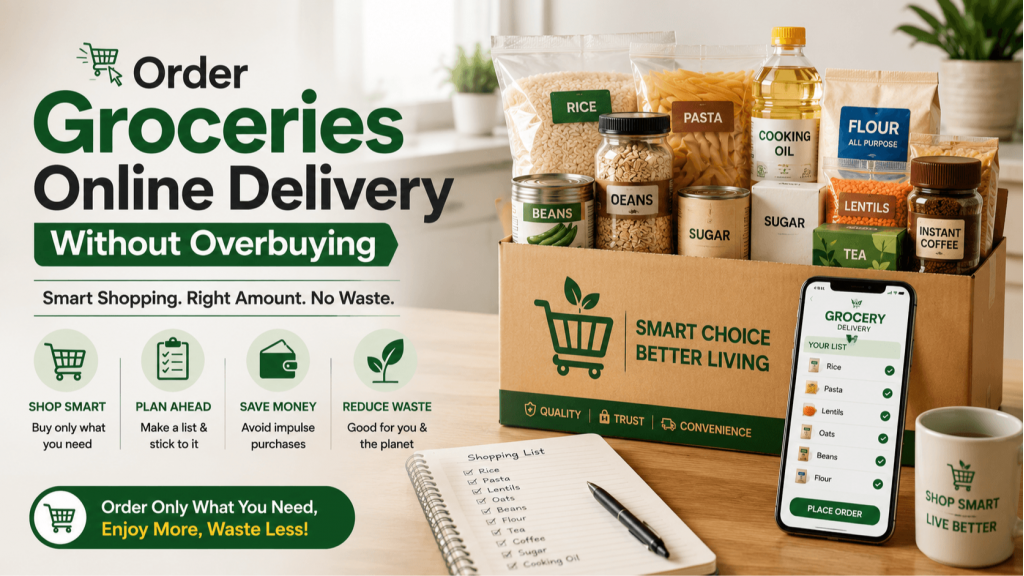
Online grocery delivery is convenient, but it can also make it surprisingly easy to buy more than you need. A few extra snacks, a second pack of fruit, a bulk item that looks useful, and suddenly your weekly order is larger than your actual meal plan.
The good news is that online shopping can also help you control spending and reduce waste. You can review your cart before paying, compare quantities, pause before checkout, and build repeatable grocery habits. If your goal is to order groceries online delivery without overbuying, the key is to shop from a plan, not from impulse.
According to the UNEP Food Waste Index Report 2024, households are a major source of global food waste. That makes smarter grocery planning valuable for your wallet, your kitchen, and your household routine.
Why overbuying happens when groceries are only a tap away
Online carts feel less limiting than a physical basket. You do not feel the weight of the items, you do not see the trolley filling up, and offers can encourage you to add products that were not part of your plan.
Overbuying usually comes from three habits. First, people shop without checking what is already at home. Second, they buy for an ideal week instead of a realistic week. Third, they confuse value with volume, especially when bigger packs or promotional items appear to offer better savings.
The solution is not to stop enjoying discounts. It is to create a cart that matches how your household actually eats. A good online grocery order should answer three questions before checkout: What will we cook, when will we eat it, and where will we store it?
 Start with meals, not products
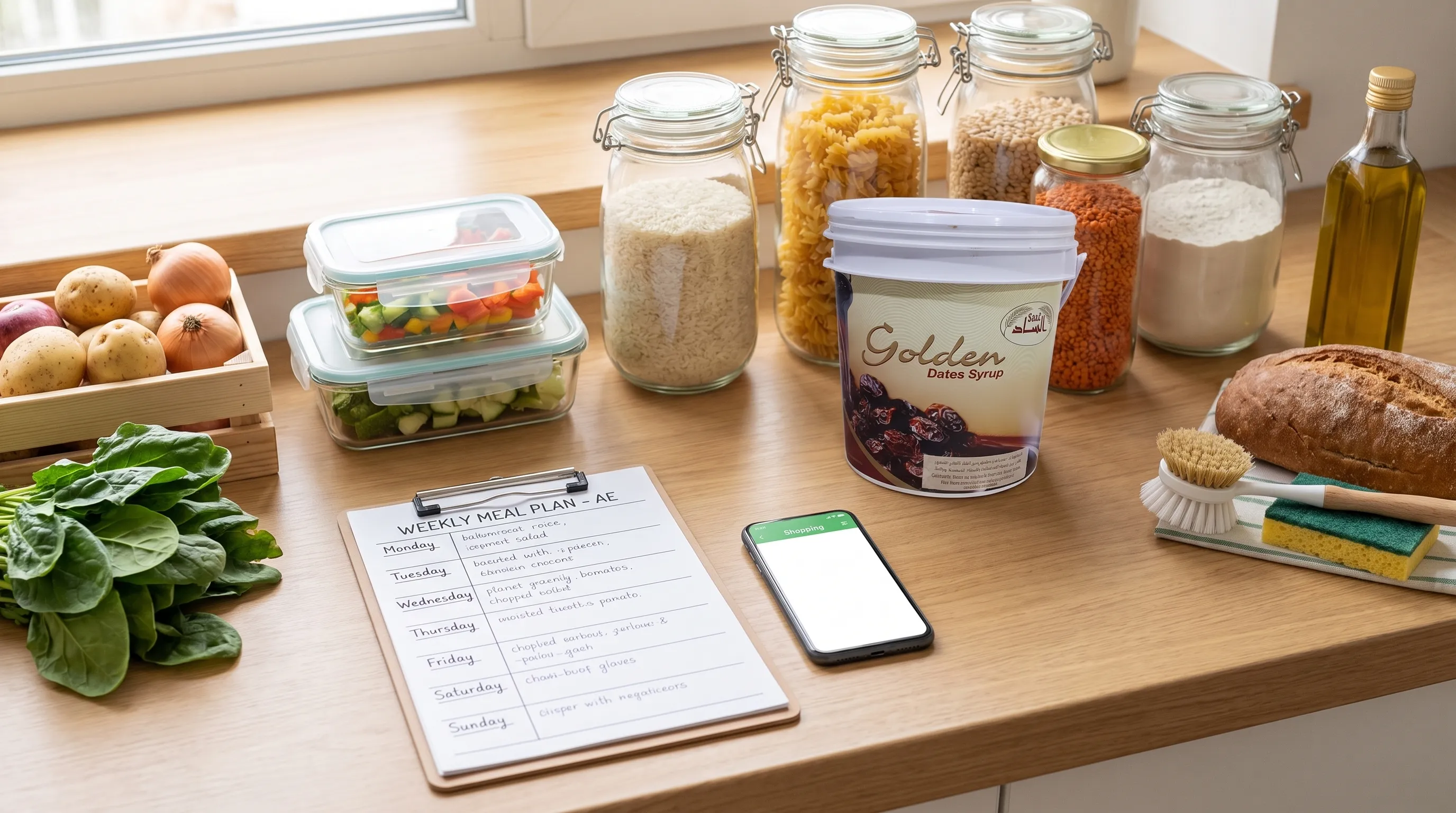
Before opening your grocery app or website, write down the meals you expect to prepare until your next order. This does not need to be a detailed menu. A simple count is enough.
For example, a family that eats dinner at home five nights a week needs five dinner plans, not ten possible dinner ideas. If two nights are likely to be leftovers or takeaway, do not buy ingredients for seven fresh dinners. That is how vegetables wilt, dairy expires, and freezer space disappears.
Use this simple planning table before you order:
| Meal category | Planning question | Overbuying guardrail |
|---|---|---|
| Breakfast | How many mornings will we eat at home? | Choose one or two repeatable breakfast options. |
| Lunch | Will lunch be packed, cooked, or bought outside? | Do not buy lunch ingredients for days you are not home. |
| Dinner | How many dinners need cooking? | Match fresh ingredients to exact meals. |
| Snacks | Who needs snacks this week? | Buy portion-friendly snacks instead of many open packs. |
| Backup meals | What if plans change? | Keep one or two shelf-stable options, not a full extra menu. |
This approach is especially useful in the UAE, where busy workdays, school schedules, traffic, and social plans can quickly change the number of meals eaten at home.
Do a five-minute kitchen check before checkout
A short pantry check can cut unnecessary purchases immediately. Look at your fridge, freezer, dry goods, and snack shelf before adding repeat items to your cart.
Focus on the products people commonly rebuy by mistake: rice, pasta, noodles, flour, oil, sauces, tea, coffee, dates, snacks, cleaning items, and personal care basics. These are easy to forget because they are stored in different places around the home.
A practical rule is to shop to a maximum stock level. For example, you may decide that one open pack and one backup pack is enough for dry staples. Once you already have that amount, do not add another just because it is on offer.
For fresh food, shop to a meal plan instead of a shelf plan. If you already have fruit in the fridge, finish it before adding more. If you have half-used sauces, build one meal around them rather than buying a new bottle.
Use the split-cart method
The easiest way to prevent overbuying is to split your cart into three groups: fresh items, pantry items, and occasional items. Each group needs a different buying rule.
| Cart group | Best buying habit | What to avoid |
|---|---|---|
| Fresh items | Buy for the next few days of meals. | Buying several similar vegetables with no recipe. |
| Pantry items | Refill only to your household stock limit. | Adding duplicates because the cart feels small. |
| Occasional items | Buy only for a planned use, event, or recipe. | Buying bulk items without storage or turnover. |
Fresh items are where most waste happens, so be strict. Pantry items give you more flexibility, but they still take space and tie up money. Occasional items should have a clear purpose before they enter the cart.
This is where pack size matters. A measured snack or sweet option, such as 100% pure Khudri Dates 500 g, can suit a household that wants a controlled pantry treat without committing to a very large quantity. On the other hand, a product like Golden Dates Syrup 25KG, Natural Date Syrup for Bulk & Commercial Use makes more sense for commercial kitchens, catering, or high-volume use where the quantity is planned and will be used consistently.
Set quantity rules for common grocery categories
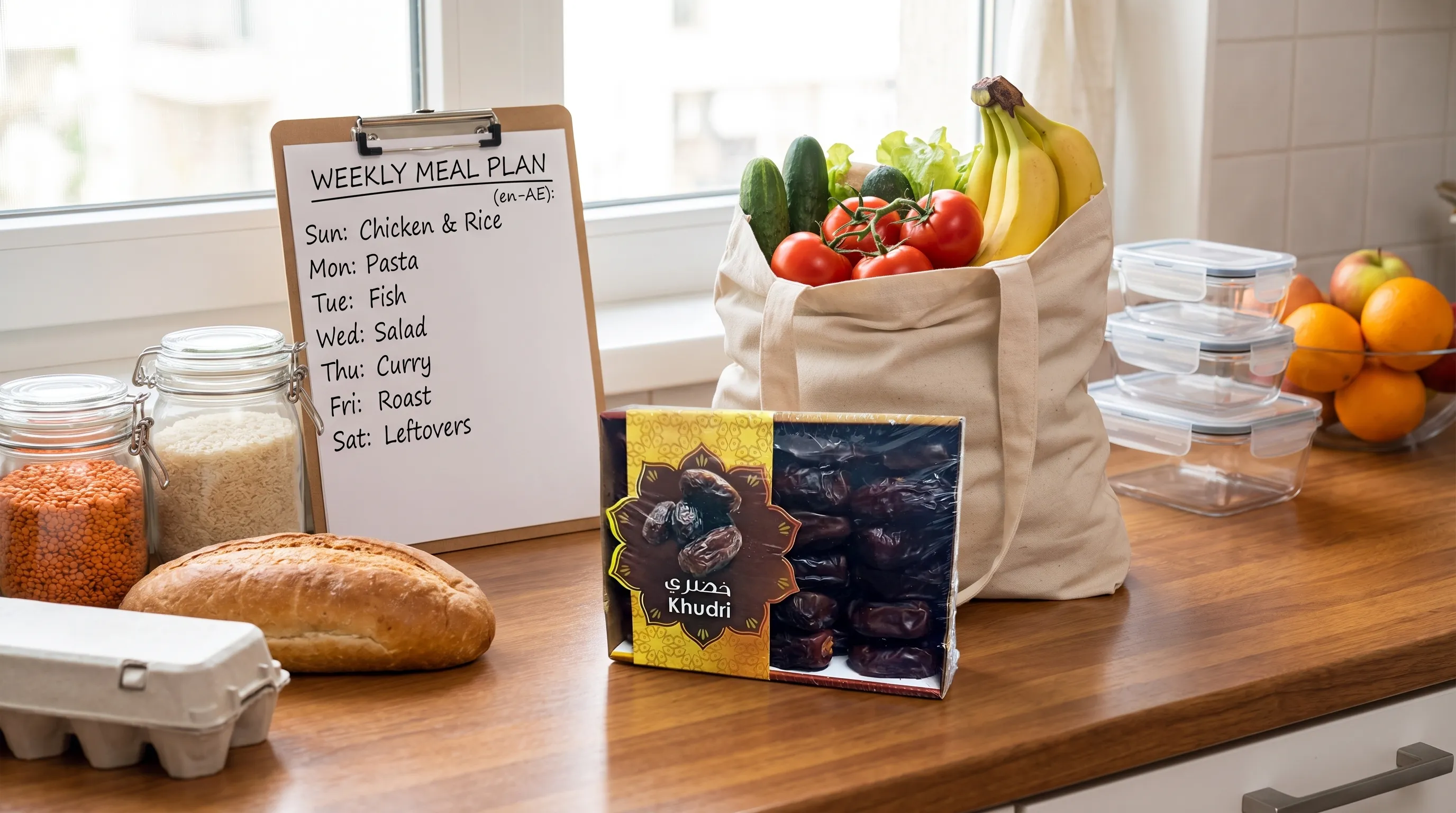
Once you have a meal plan and kitchen check, quantity decisions become much easier. Instead of asking whether a product might be useful, ask how many times it will realistically be used before your next order.
For fresh produce, choose variety but not too much overlap. If you buy apples, bananas, berries, and oranges in large quantities at the same time, your household may not finish them all. Choose fruit based on actual eating habits. If your family regularly makes juice, a simple tool like the Easy Cook Orange Juicer can help you use oranges more intentionally instead of letting them sit until they soften.
For quick meals, keep a small number of reliable options rather than filling the cupboard with too many alternatives. If noodles are part of your weekly routine, adding something specific like multi millet noodles can be more useful than buying several random instant meal options that may be forgotten.
For snacks, avoid opening too many packs at once. One sweet snack, one savoury snack, and one fruit-based option is usually easier to manage than a large mix of biscuits, chips, sweets, and dried fruit competing for attention.
For household basics, reorder based on usage speed. If a product lasts one month, do not buy three months of supply unless you have space, a clear budget reason, and confidence that your preferred brand or needs will not change.
Avoid offer traps while still saving money
Discounts are useful when they apply to products you already planned to buy. They become expensive when they push you to buy items you will not finish.
Before adding an offer item, pause and ask whether it passes these checks:
- It is already on your grocery list.
- Your household uses it regularly.
- You have space to store it properly.
- You know when you will open it.
- The quantity will be finished before quality declines.
If an item fails two or more of these checks, skip it. You are not losing savings. You are avoiding waste.
A good online marketplace makes it easier to compare products calmly, add essentials, and remove extras before payment. When shopping through Sandhai.ae, use your cart as a planning tool rather than a wish list. Add what you need first, review quantities, then decide whether any offer genuinely fits your week.
Build a reusable grocery list
One of the biggest advantages of online grocery delivery is repeatability. You can create a household rhythm instead of starting from zero every time.
Your reusable list should include the products your home consistently needs. This might include rice, atta, spices, cooking oil, tea, coffee, lentils, breakfast items, school snacks, cleaning supplies, and personal care basics. Then create a second flexible list for fresh items that change weekly.
Keep these two lists separate. Essentials are repeatable. Fresh items depend on your meal plan. Treating both the same is a common reason for overbuying.
A simple weekly structure could look like this:
| List type | What it includes | When to add it |
|---|---|---|
| Always needed | Core staples and household basics | Add only when stock is below your limit. |
| This week only | Fresh produce, dairy, meat, herbs, snacks | Add only if tied to meals or routines. |
| Special use | Party items, bulk products, gifting, festival items | Add only for a planned date or event. |
This structure is especially helpful before Ramadan, school terms, festivals, family visits, and long weekends, when it is easy to buy for every possible scenario.
Plan delivery timing around freshness
Overbuying is not only about quantity. It is also about timing. If groceries arrive when nobody has time to unpack, fresh items may sit out longer than intended. If you order too early before a busy weekend, ingredients may remain unused.
Choose a delivery window that gives you time to store items quickly. Put chilled and frozen items away first, then fresh produce, then pantry goods. Move older items to the front of the fridge or cupboard so they are used before the new delivery.
This first-in, first-out habit is simple but powerful. It prevents half-used packets from disappearing behind new purchases and helps your household finish what is already open.
What a no-waste online grocery order looks like
A balanced online grocery order should feel complete, not crowded. It should cover your planned meals, a few flexible staples, and enough snacks without turning your kitchen into storage overflow.
Here are a few examples:
| Household situation | Smart cart approach | Common overbuying mistake |
|---|---|---|
| Single professional | Small fresh order plus quick meals and breakfast basics. | Buying family-size produce with no cooking time. |
| Couple | Three to five dinner plans and controlled snacks. | Buying ingredients for a full week despite eating out. |
| Family with children | Lunchbox items, fruit, pantry staples, and easy dinners. | Buying too many snack varieties at once. |
| Home gathering | Event-specific items plus normal weekly essentials. | Keeping party quantities in the regular weekly cart. |
| Small food business | Forecast-based bulk items and planned storage. | Buying commercial sizes without turnover data. |
The best cart is not the smallest cart. It is the cart that fits your actual week.
Frequently Asked Questions
How do I order groceries online delivery without overbuying? Start with a meal count, check your kitchen, and set quantity limits before adding items. Build the cart around meals you will actually cook, not possible recipes you may never make.
Is buying in bulk always better value? Not always. Bulk is useful when you have storage and predictable usage. For normal households, smaller packs can be better if they prevent spoilage, clutter, or unfinished products.
What should I buy weekly and what should I buy monthly? Fresh produce, dairy, bread, and weekly snacks are usually better planned weekly. Dry staples, cleaning products, and personal care basics can be planned monthly if you have space and use them consistently.
How can I reduce food waste after delivery? Unpack immediately, store fresh items correctly, place older products at the front, and plan your first meals around items that need to be used soon.
Can online grocery shopping help me control my budget? Yes. Online shopping lets you review your total before paying, remove impulse items, compare quantities, and keep a reusable list of essentials.
Shop with a plan, not pressure
Ordering groceries online should make life easier, not leave you with crowded shelves and food you feel guilty about wasting. Before your next checkout, plan your meals, check your pantry, choose the right pack sizes, and keep offers in their proper place.
With a thoughtful list and a realistic cart, you can enjoy the convenience of online grocery delivery while buying only what your household will use.

Comments