

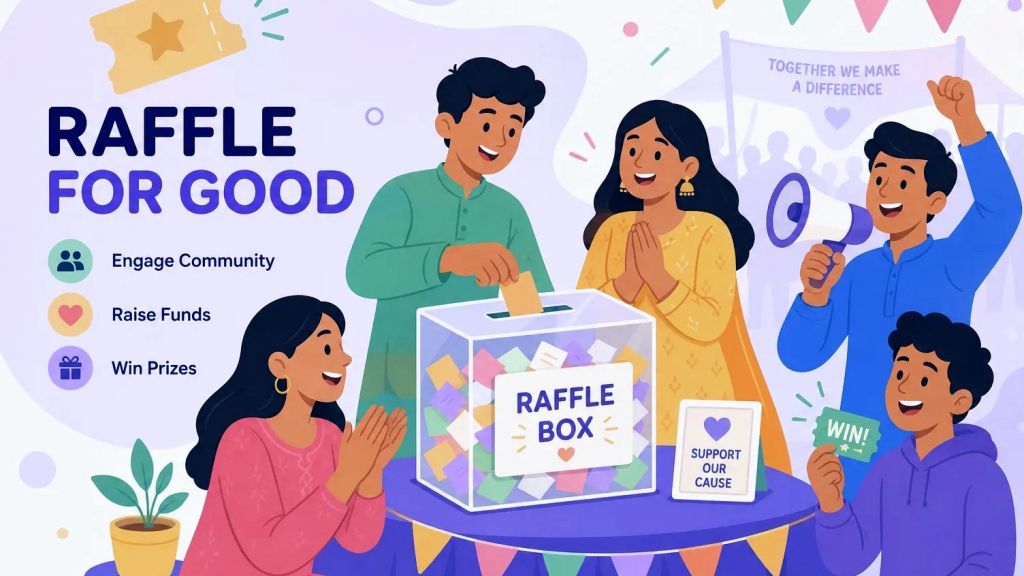
Picture a Tamil cultural night in full swing. The kolam at the entrance is freshly drawn, the hall smells of sambar and filter coffee, children are in silk pavadais running between tables, and somewhere near the stage, a volunteer is shaking a clear acrylic raffle box stuffed with colorful ticket stubs. Half the crowd has its eyes on that box. The other half is busy buying more tickets. The draw itself is doing more work than most organizers realize: it keeps people seated, fuels conversation, generates funds, and gives the evening a climax worth staying for.
Running a raffle well takes more planning than most people account for. The wrong raffle box, generic prizes, or a chaotic draw process can turn a crowd-pleasing moment into an awkward scramble. This guide covers everything your cultural association or temple committee needs: how to choose the right collection box, what prizes your Tamil or South Indian community will genuinely compete for, how to run a transparent draw, and how to decide whether a physical setup or an online raffle platform fits your event better.
Why raffle events are a perfect fit for Indian cultural nights
Community associations, temple committees, and cultural groups across the United States use raffles to fund everything from scholarship drives to event production costs. The mechanics are simple, the overhead is low, and the engagement payoff is high. When attendees buy tickets, they don't just fund a cause, they become emotionally invested in the outcome of the evening.
South Indian and Tamil cultural nights, specifically Pongal celebrations, Onam gatherings, Diwali fundraisers, and Tamil New Year events, have a communal energy that makes this format work especially well. The raffle box becomes part of the celebration rather than a sidebar to it. People circulate, talk to strangers while buying tickets, and find themselves checking the time to make sure they don't miss the draw. That natural momentum is difficult to manufacture any other way.
Prize selection is where many organizers leave money on the table. Prizes that feel personal and culturally familiar convert casual attendees into enthusiastic buyers, organizers who have made this shift away from generic gift cards report dramatic increases in ticket sales. The right setup, a secure box, meaningful prizes, and a clear draw process, is the difference between a forgettable fundraiser and a moment your community talks about until next year.
Picking the right raffle box: materials, sizes, and security
The three main materials for a raffle ticket box are cardboard, plastic, and acrylic, and each one suits a different type of event. Cardboard boxes run between $2 and $15. They are lightweight, disposable, and perfectly adequate for small events under 50 people where budget is tight and the box only needs to last one evening. If you plan to build your own, a concise DIY ballot box guide walks through a simple step-by-step approach.
Plastic boxes, typically HDPE or polypropylene, cost between $15 and $50. They are durable, weather-resistant, and a solid choice for outdoor melas or events where the box moves around the venue throughout the night. Some models include locking lids and reinforced hinges, which is worth the extra cost if volunteers are handing the box between stations.
For any event where community trust is essential, acrylic is the clear winner, literally. A Clear Acrylic Lucky Draw Box 30cm, priced between $30 and $100 or more, lets every person in the room see that the box was empty at the start and that stubs are accumulating fairly. That visible accountability removes any doubt about the integrity of the draw, which matters enormously at charity events and annual fundraisers where your organization's reputation is on the line. For a deeper comparison of materials, sizing, and security features, see this guide on how to choose ballot box material, security, and capacity.
Lockable and tamper-resistant options for bigger draws
For larger events or draws with higher-value prizes, a lockable acrylic or plastic box is the right call. Look for keyed lids, reinforced hinges, and anti-pry construction. Buy Acrylic Displays carries lockable boxes in stock and ready to ship, making them a fast option if you're sourcing at the last minute. If you want a heavy-duty, display-ready model, consider a Black Acrylic Raffle Draw Box 30x30x30cm with an integrated lock. For commercial suppliers of locking ballot boxes, this locking ballot boxes collection shows common options and specs.
Custom printed boxes with branding start around $0.50 per unit but typically require minimum orders of 25 to 100 units. For a cultural association that runs an annual event, that minimum is easy to justify. For a one-off fundraiser, a plain lockable box with a custom sticker is the budget-smart move: same security, fraction of the cost.
Prize ideas your community will actually want to win
Generic prizes like movie vouchers or department store gift cards don't generate buzz at Indian cultural events. They feel transactional. A prize that smells like home, tastes like home, or decorates a home with something familiar will outsell a neutral alternative by a wide margin. The right prize makes the raffle feel like an extension of the celebration.
For Tamil and South Indian community events, the following prize categories tend to drive the strongest ticket sales:
- Indian sweets hampers: Ladoo, Mysore pak, halwa, and festival sweet boxes are crowd favorites. Beautifully packaged and deeply familiar to Tamil and South Indian families, a well-presented sweets hamper generates genuine excitement at the draw moment.
- South Indian grocery bundles: Curated sets of authentic dals, spice mixes, specialty rice varieties, and hard-to-find ingredients are prizes that expat families genuinely need and appreciate. These carry a practical warmth that generic prizes simply don't.
- Home décor and festival essentials: Brass lamps, decorative pieces, and culturally rooted home accents make strong first-prize options. They photograph well, and the reveal moment at the draw gets a real reaction from the crowd.
Building a tiered prize structure
Structure your prizes in tiers: a full hamper for first prize, a sweets box for second, and a smaller grocery bundle for third. Tiered prizes keep more people invested throughout the evening because second and third prize still feel worth winning. Sandhai.ae's Indian sweets collections, grocery hampers, and home décor items are well-suited for exactly this kind of prize bundle, with options that reflect the cultural specificity your crowd will appreciate.
Running the draw: tickets, logistics, and keeping it fair
Use double-stub tickets for every raffle. One stub goes into the raffle box, one stays with the buyer. Number every ticket sequentially and never reuse numbers, even if you reprint. These two practices eliminate the most common sources of dispute at community draws. Double-stub tickets are widely available from event supply retailers, so sourcing them in bulk ahead of time is straightforward.
Place the raffle box in a high-traffic, visible location: near the entrance, beside the food station, or close to the stage. Rotating ticket sellers through the crowd, rather than waiting for people to come to the box, is a tactic many experienced organizers swear by for boosting sales. Appoint one designated person as the box handler for the evening. That person does not sell tickets. Keeping those roles separate prevents conflicts of interest and protects the integrity of the draw. For smaller donation or suggestion stations, a compact option such as the Acrylic Donation Box (20×20 cm) is an easy-to-deploy solution.
Announce the draw time at least 30 minutes in advance so latecomers know what they're staying for. When the moment arrives, have a neutral party, not a committee member, draw from the box in full view of the audience. Read the winning number clearly into a microphone, hold the stub up visibly before handing over the prize, and record both the winning stub number and the winner's name. For events tied to a registered nonprofit, that documentation is not optional: it's part of your compliance record.
Know your state's legal requirements
A critical legal note for US-based organizers: most states classify raffles as a form of gambling. Nonprofit organizations must verify their state's specific licensing requirements before selling a single ticket. California requires annual registration with the attorney general at least 60 days before the event. Texas limits qualified nonprofits to four raffles per year. Requirements vary widely by state, so check specific details on US raffle laws by state before planning your draw.
Physical raffle box vs. online raffle platform: which one fits your event?
For in-person community events where the draw is part of the entertainment, a physical raffle box is often the stronger choice. The ritual of the draw, the crowd noise, the moment someone reads out the winning number and the room reacts- no digital platform replicates that experience. Physical boxes have zero platform fees, no learning curve, and minimal compliance complexity beyond your local regulations.
Online platforms make sense in a specific scenario: when your community is spread across multiple cities or states, and you want supporters to buy tickets remotely. That expanded reach can increase total revenue for large-scale fundraisers. Online raffle platform guides outline pricing models and fee structures; for example, RallyUp charges around 6.9% per transaction on its Flex plan. Some platforms use a tip-based model where organizations keep 100% if the donor declines the optional tip. Payment processing fees of 2 to 3% apply on every platform regardless of the pricing model.
For local Tamil or Indian cultural association events, a physical ticket collection box is simpler, more profitable, and more culturally resonant. Reserve online platforms for multi-city campaigns or fundraisers where remote participation is a strategic priority. For everything else, the box in the room is the right call.
Budget breakdown: what a complete raffle setup actually costs
Planning your budget upfront prevents the scramble that happens when organizers underestimate small costs that add up. Here's a realistic picture of what to expect:
- Basic cardboard raffle box: $2 to $15 (suitable for events under 50 people)
- Mid-range plastic box with lock: $15 to $50
- Premium acrylic lockable raffle box: $30 to $100 or more (a solid choice for larger events or valuable prizes)
- Custom raffle box with logo printing: $0.50 to $6 per unit, typically requiring a minimum of 25 to 100 units
- Double-stub raffle tickets: available in bulk from event supply retailers; prices vary by supplier and quantity, so shop around for the best rate per 500 tickets
Estimating prize costs
For prizes, structure at least three tiers. A first-prize hamper combining Indian sweets, a curated grocery bundle, and a home décor item can be assembled at a reasonable cost depending on contents and sourcing; many organizers put together attractive first-prize packages in the low-to-mid double digits. Second and third prizes in the $20 to $40 range keep the crowd engaged through the full draw sequence. Your total raffle setup, including the box, tickets, and a tiered prize structure, can come in well under $200 for most community events.
For sourcing boxes, Buy Acrylic Displays is a reliable option for immediate-stock lockable boxes. For custom branded boxes with a 2 to 5 business day turnaround, Affordable Display Products handles imprinted orders efficiently. For prizes, Sandhai.ae's curated Indian grocery hampers, festival sweets, and home décor collections offer culturally specific options that resonate with Tamil and South Indian communities.
Make your next raffle box the moment people remember
A well-organized raffle does more than raise funds. It creates a shared moment of anticipation and celebration that bonds your community and gives the evening a natural crescendo. Match your raffle box material to the scale and formality of your event, choose a lockable design if prizes are valuable, run the draw with full transparency, and pick prizes that feel personal to your crowd.
The prize table is where your raffle either becomes memorable or forgettable. For Tamil and South Indian community events, prizes rooted in cultural identity consistently outperform generic alternatives. Sandhai.ae offers Indian sweets hampers, authentic grocery bundles, and culturally resonant home décor items, the kind of prizes that get a real reaction when the winning number is called.
Visit Sandhai.ae to browse curated hampers, festival sweets collections, and home décor items before your next community event. Your audience will feel the difference.

Comments