

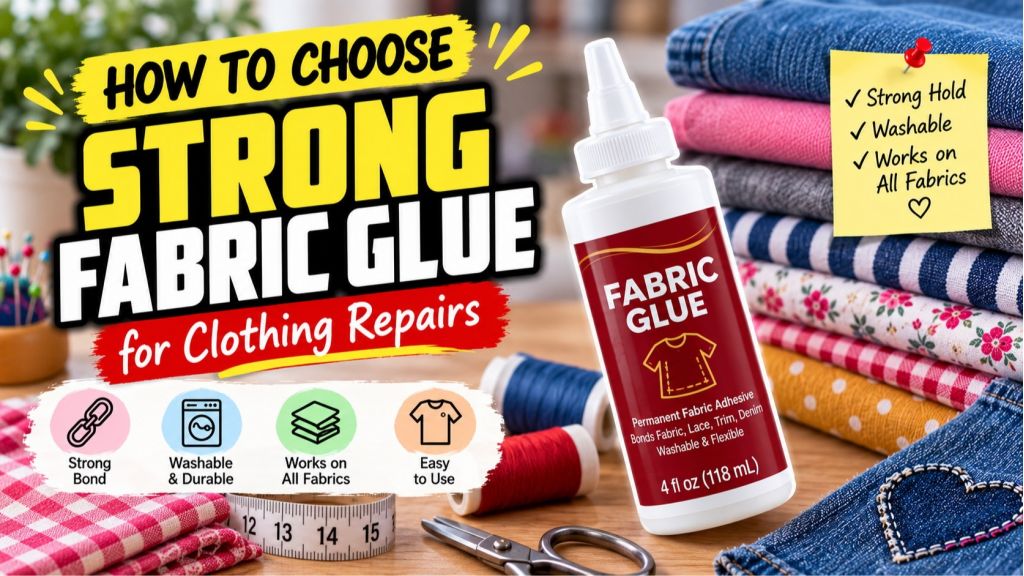
A strong fabric glue can turn a loose hem, torn pocket, or fraying cuff into a quick clothing repair without a sewing machine. The key is choosing an adhesive made for flexible, washable fabric rather than grabbing any craft glue from the drawer. For online shoppers in the UAE, that means checking the fabric type, repair location, drying time, and care instructions before adding to cart. If you already know you need an adhesive designed for fabric projects, Sandhai lists options such as Fevicryl Fabric Glue 80ml, which can be a useful starting point for small garment fixes and fabric crafts.
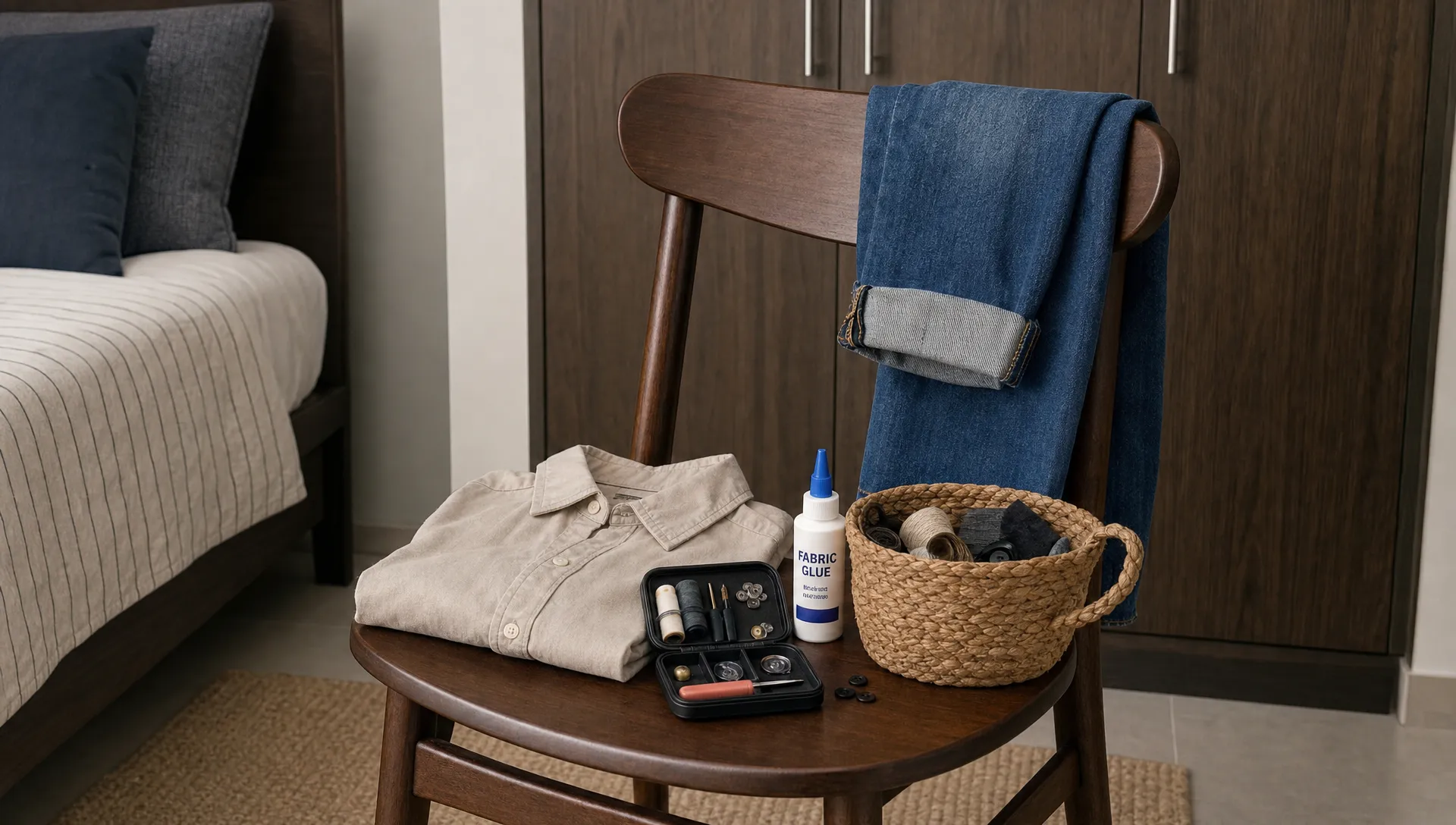 What Makes a Strong Fabric Glue Good for Clothing Repairs?
The best adhesive for clothing is not simply the one that dries hardest. Clothes bend, stretch, rub against skin, go through washing cycles, and sit in wardrobes during warm UAE weather. A rigid glue may feel strong at first, but it can crack, flake, or leave a visible patch once the garment moves.
For clothing repairs, look for three qualities: flexibility after drying, a bond that suits your fabric and a finish that does not spoil the look of the garment. A strong fabric glue should hold the fibres together while still allowing the repaired area to move naturally.
Start with the fabric type
Cotton, denim, linen, polyester, felt, and blended fabrics do not all behave the same way. Lightweight cotton may need a thin layer that dries clear, while denim or canvas needs more grip because the fabric is thicker and heavier. Stretch fabrics are more difficult because the repair area expands when worn, so the glue must remain flexible.
Before using strong fabric glue on a favourite outfit, test it on a hidden seam allowance or an inside edge. Let it dry fully, then bend the fabric and check for stiffness, staining or rough texture. This small test can save a shirt, kurti, abaya, dress or pair of jeans from an obvious repair mark.
Match the glue to the repair type
A small decorative patch and a torn trouser seam do not need the same level of hold. Fabric glue is excellent for many light to medium repairs, but it is not always a substitute for stitching in high-stress areas such as waistbands, crotch seams or shoulder seams.
| Clothing repair | What to look for | What to avoid |
|---|---|---|
| Loose hem | Flexible bond, neat applicator, clear finish | Thick glue that creates a hard line |
| Small tear in cotton | Washable fabric adhesive, thin controlled layer | School glue or paper glue |
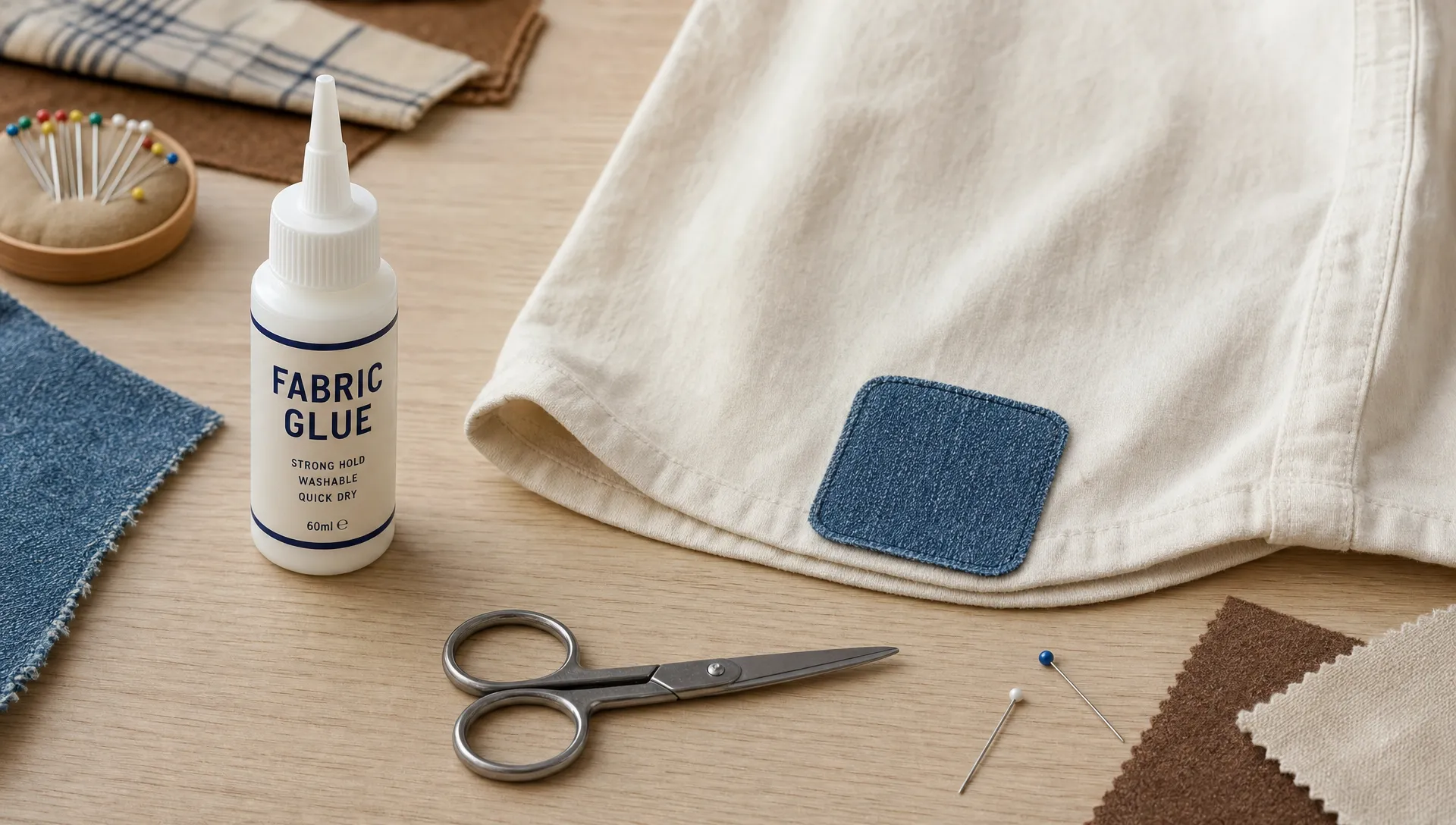
| Denim patch | Higher tack, longer drying time, firm pressure while curing | Weak glue made only for light crafts |
| Decorative trim | Precision nozzle, clear drying finish | Glue that bleeds through delicate fabric |
| Temporary costume fix | Quick drying hold | Permanent glue on rented or expensive garments |
Strong Fabric Glue Buying Checklist for UAE Shoppers
When shopping online, product photos alone are not enough. Read the description carefully and look for terms that relate to fabric use, washability, flexibility, drying time, colour, and application method. A strong fabric glue for clothing should clearly suit fabric or textile projects, not only paper, cardboard or general crafts.
Washability and care instructions
If the repaired garment will be washed, the adhesive must tolerate laundry conditions. Check whether the glue needs a full curing period before washing. Many fabric adhesives need several hours, and sometimes longer, before the bond reaches its best strength. Washing too early is one of the fastest ways to weaken a repair.
Also think about how you care for the garment. Hand-washed clothes, delicate ethnic wear and everyday T-shirts place different demands on the adhesive. If the label says dry clean only, avoid experimenting on visible areas unless the glue instructions clearly support that use.
Flexibility, finish and feel
Good fabric repair should not feel like a plastic patch. Once dry, the glued area should bend with the fabric and sit comfortably against the skin. Clear drying glue is usually safer for visible clothing repairs, but clear does not always mean invisible. On thin or pale fabrics, any adhesive can darken the fibres if too much is applied.
For neat results, choose a bottle with a controllable tip or use a toothpick to apply a very thin layer. A small amount of strong fabric glue usually works better than a thick blob because it spreads into the fibres without soaking through to the front of the garment.
Drying time in warm, humid conditions
In the UAE, indoor air conditioning and outdoor humidity can affect drying. A repair left in a cool room may dry differently from one kept in a humid laundry area. Follow the product instructions first, then give the garment extra time if the glued section still feels tacky.
Do not wear, fold or wash the repaired item immediately after the surface looks dry. The surface may set before the inner layer fully cures. Laying the clothing flat and placing gentle pressure on the repair area, such as a clean book over baking paper, can help create a smoother bond.
How to Use Fabric Glue on Clothes Without a Messy Finish
A strong fabric glue works best when the fabric is clean, dry and free from lint. If there is dust, perfume, oil or detergent residue on the fibres, the bond can weaken. Wash and dry the garment first if needed, but avoid fabric softener on the repair area because it can leave a coating.
Use a simple repair process:
- Carefully trim loose threads so they don't clump in the glue.
- Place cardboard, baking paper or plastic inside the garment to stop glue transferring to the other side.
- Apply a thin, even layer to one side of the repair.
- Press the fabric pieces together and align the edges neatly.
- Hold or clamp the area as instructed, then let it cure fully before wearing.
For hems, work in short sections instead of gluing the full edge at once. This gives you better control and reduces ripples. For patches, apply glue close to the edge as well as the centre so corners do not lift after washing.
When Fabric Glue Is Not the Right Repair Tool
Fabric glue is convenient, but it has limits. If a garment carries body weight or constant tension, sewing is usually stronger. A trouser seat tear, backpack strap, school uniform waistband or workwear seam may need stitching, reinforcement or professional tailoring.
It also helps to choose the right adhesive category. If you are repairing paper labels, classroom projects or craft boards, a general adhesive such as Elmer's White Glue 225 ml is more suitable than garment glue. For quick paper tasks at school or the office, a Funbo Glue Stick 40g keeps things tidy, but it is not meant to replace a fabric repair adhesive on washable clothing.
Shoes need a different kind of bond because soles and heels face pressure, bending, and outdoor surfaces. For footwear, keep clothing adhesive separate from shoe repair products such as Italo Shoe-Fix 17ml. For a temporary hold on a non-delicate household item, Polar Bear Blue Duct Tape may help in emergencies, but it should not be treated as an invisible clothing repair.
Quick Comparison: Glue, Sewing, Tape and Specialist Adhesives
Choosing the repair method is easier when you compare the job, not only the product. Strong fabric glue is ideal when you need a clean no-sew fix, but other methods are better for heavy strain or non-fabric materials.
| Repair method | Best for | Main limitation |
|---|---|---|
| Fabric glue | Hems, patches, small tears, trims | Not ideal for high-tension seams |
| Hand sewing | Buttons, seams, waistbands, structural repairs | Takes more time and basic sewing skill |
| Repair tape | Temporary fixes, bags, non-delicate surfaces | Often visible and not suitable for most clothing finishes |
| Shoe adhesive | Soles, heels, footwear parts | Too specialised for ordinary garment repairs |
| General craft glue | Paper, card, school projects | Usually not flexible or washable enough for clothes |
Common Mistakes to Avoid
The biggest mistake is using too much glue. Excess adhesive can bleed through fabric, dry shiny or create a stiff patch. Apply less than you think you need, then add a little more only if the fabric is thick or absorbent.
Another common issue is moving the repair too soon. Even if the glue feels dry on the outside, the bond may still be weak inside. Let the garment rest flat for the full curing time. If the product instructions recommend waiting before washing, follow that timeline closely.
Finally, avoid assuming that one strong fabric glue is perfect for every garment. Delicate silk, lace, heavily embellished outfits, and expensive formalwear deserve extra caution. When in doubt, test first or choose a tailor, especially for visible areas.
Frequently Asked Questions
Can fabric glue replace sewing for clothing repairs? Fabric glue can replace sewing for many light repairs such as hems, patches, and decorative trims. For seams under regular tension, sewing or tailoring is usually more reliable.
Will strong fabric glue survive washing? It depends on the product and how it is applied. Choose an adhesive marked for fabric use, let it cure fully, and follow the garment care label. Washing too early can weaken the bond.
Can I use white glue or a glue stick on clothes? White glue and glue sticks are usually better for paper, school and craft projects. Clothing repairs need an adhesive that stays flexible and bonds to textile fibres.
How do I stop fabric glue from showing through? Use a very thin layer, test on a hidden area, and avoid soaking delicate fabric. A precision tip helps control the amount and keeps the repair neater.
What is the best fabric glue for jeans? For jeans, look for a fabric adhesive with a flexible bond and enough grip for thicker denim. Patches should be pressed firmly and left to cure before wearing or washing.
Shop Clothing Repair Essentials Online in the UAE
Choosing the right repair product saves time, reduces waste, and helps you keep everyday clothes in use for longer. Before you buy, compare the fabric type, wash requirements, drying finish, and the stress level of the repair.
You can explore fabric adhesives, craft supplies, home essentials and more through Sandhai's UAE online shopping marketplace. For small garment fixes, start with a product made for textiles, use it sparingly, and give the repair enough time to cure before the clothing goes back into your wardrobe.

Comments