

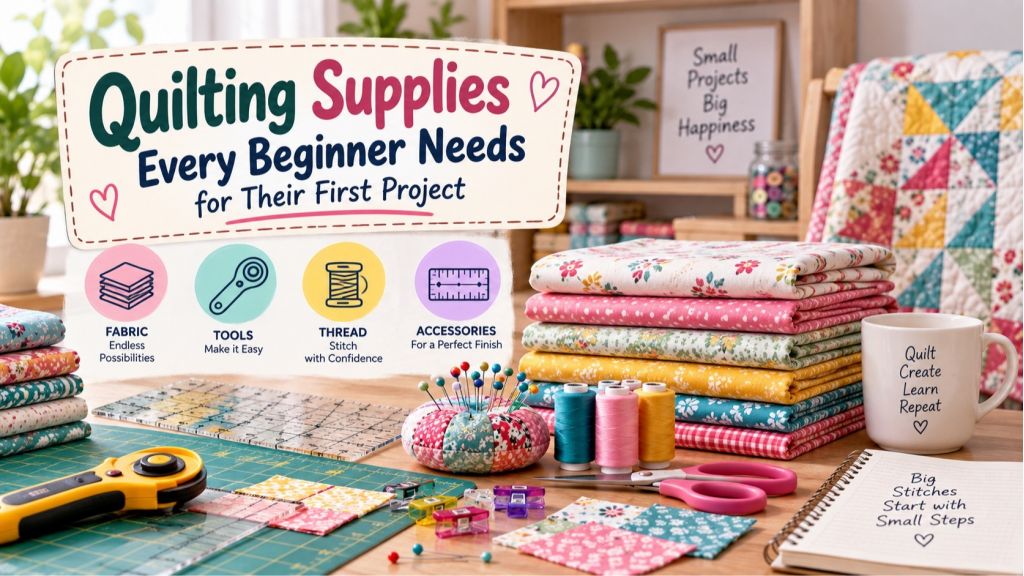
Your first quilt does not need a professional sewing room or a huge fabric stash. It needs a practical set of quilting supplies, a simple pattern and enough patience to measure twice before you cut. For online shoppers in the UAE, the smartest approach is to buy versatile basics first, then add specialist tools once you know what kind of quilts you enjoy making. If you already shop online for household essentials, stationery or gifts, building a starter sewing basket through Sandhai’s UAE marketplace can make the process more convenient.
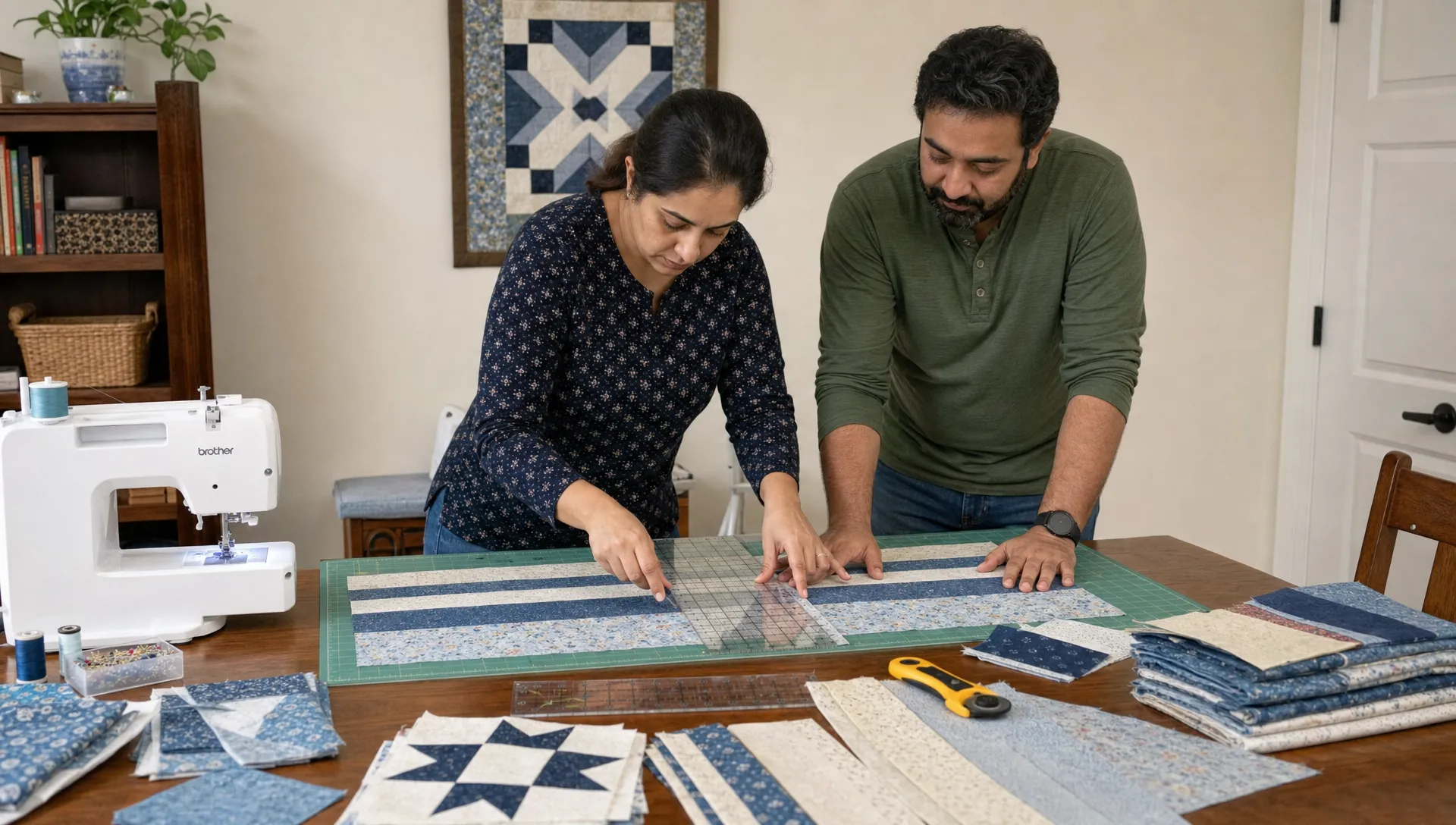 Quilting supplies every beginner needs: the starter list
A beginner kit of quilting supplies should cover three jobs: cutting accurately, sewing consistently and finishing neatly. You do not need every gadget advertised to quilters, especially for a first project like a cushion cover, baby quilt, table runner or small lap quilt.
Start with the tools that affect accuracy. Quilting is built from repeated shapes, so even a tiny cutting mistake can show up across a whole row of blocks. Then choose materials that are easy to sew, easy to press and forgiving enough for practice.
Fabric, batting and backing
For a first quilt, woven cotton is usually the easiest fabric to handle. It presses well, feeds smoothly through a sewing machine and does not stretch as much as many dressmaking fabrics. Choose a small range of colours or prints rather than too many competing designs. A simple palette helps you focus on learning seams and alignment.
Batting is the soft middle layer. Beginners often do well with low-loft cotton or cotton blend batting because it is stable and not too puffy. Backing fabric should be larger than the quilt top so you have room to trim and square up after quilting. Binding fabric finishes the edges, so remember to include it in your shopping list.
| Item | Beginner-friendly choice | Why it matters |
|---|---|---|
| Quilt top fabric | Woven cotton in coordinated colours | Easier to cut, sew and press |
| Batting | Low-loft cotton or cotton blend | Keeps layers stable for a first project |
| Backing fabric | Cotton fabric larger than the quilt top | Gives room for quilting and trimming |
| Binding | Cotton strips or fabric for strips | Creates a neat, durable edge |
Cutting tools: rotary cutter, mat and ruler
Scissors can work for small pieces, but a rotary cutter is far more accurate for straight quilting cuts. Pair it with a self-healing cutting mat and a transparent acrylic ruler. These three items form the cutting station for most patchwork projects.
When shopping for quilting supplies online, check sizes carefully. A medium cutting mat is easier to store in an apartment, but it still needs to fit the width of the fabric pieces you plan to cut. A ruler with clear grid markings also helps you cut squares, strips and rectangles without constantly remarking the fabric.
Sewing tools: needles, thread, pins and clips
A standard sewing machine can handle a beginner quilt if it is in good condition and fitted with the right needle. Universal needles can work for basic cotton piecing, but quilting or topstitch needles may give neater results when you sew through multiple layers. Keep spare needles nearby, since a dull needle can cause skipped stitches and fabric snags.
Thread choice matters more than beginners expect. Choose good-quality cotton or polyester thread in a neutral colour that blends with your fabric. Pins help match seams, while fabric clips are useful for binding because they hold layers without bending or pricking your fingers.
Helpful tools that save beginners from frustration
The most useful extras are not always exciting, but they make your first project smoother. A seam ripper, marking tool and iron can save more time than a decorative template you may only use once.
A seam ripper is essential because every beginner unpicks stitches. That is not failure, it is part of learning accurate seams. If you want a practical spare for your sewing box, Sandhai lists a 9-piece seam ripper set that can be useful for quilting, mending and general sewing tasks.
Marking tools help you draw quilting lines, label cutting points or mark seam allowances. Choose a fabric-safe pencil, chalk marker or washable pen, then test it on a scrap before using it on your quilt top. A basic iron is just as important, since pressing seams flat makes blocks easier to join and helps the finished quilt sit neatly.
Sewing machine basics and hand quilting options
If you are machine sewing, a 1/4 inch presser foot is helpful for consistent seam allowances. A walking foot is useful later when quilting the three layers together, but it is not always necessary for a very small project. Check your machine manual before buying feet, because compatibility varies by model.
Hand quilting requires fewer machine accessories but more patience. You may need hand quilting needles, a thimble, thread and a small hoop. Textile hobbies often overlap, so if quilting leads you into yarn crafts too, you might enjoy browsing tools such as this 22-needle knitting machine for a separate home craft project.
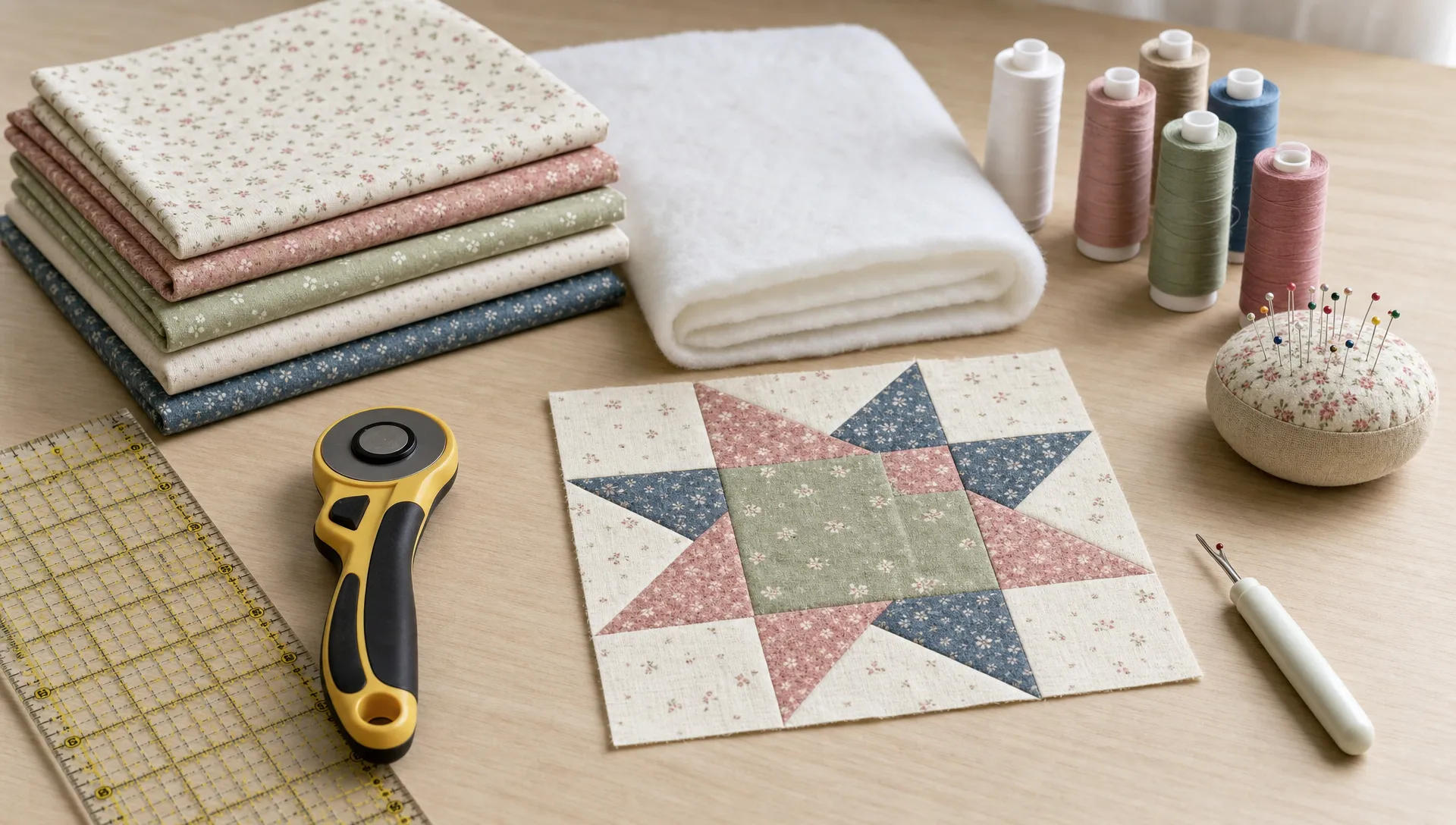
How to choose beginner-friendly supplies in the UAE
Good quilting supplies do not have to be the most expensive ones in your cart. For a first project, look for tools that are durable, easy to understand and useful beyond one pattern. A plain ruler, neutral thread and cotton fabric will serve you better than niche items you have not learned to use yet.
UAE shoppers should also think about storage. If you live in an apartment, avoid buying oversized tools before you know where they will go. A flat storage box can keep fabric clean, while a small pouch can hold needles, pins, clips and marking tools.
Online shopping is especially helpful when you compare product photos, descriptions and reviews before buying. If you prefer ordering different everyday items in one place, Sandhai.ae offers a broad marketplace experience with home delivery, secure payment options and deals across multiple categories.
Prioritise versatility over novelty
Beginner quilting can tempt you into buying shape templates, specialty rulers and decorative tools before you have finished a single block. Those items can be fun later, but your first goal is to complete a simple project without feeling overwhelmed.
Choose supplies that support many patterns. A rectangular ruler, rotary cutter, pins, clips, neutral thread and cotton fabric can help you make squares, strips, patchwork rows and simple borders. Once you understand how you like to sew, you can upgrade with more confidence.
A budget starter kit for your first quilt
For a first project, your quilting supplies should support a small and realistic finish. A table runner or cushion cover is often better than a bed quilt because it teaches the same skills with less fabric, less cutting and less time spent wrestling layers under the machine.
This simple buying plan keeps your basket focused:
| Priority | Buy now | Wait until later |
|---|---|---|
| Must-have materials | Cotton fabric, batting, backing, binding fabric | Large fabric bundles without a project plan |
| Must-have tools | Rotary cutter, cutting mat, ruler, pins, needles, thread | Multiple specialty rulers |
| Helpful extras | Seam ripper, marking pen, clips, iron | Decorative quilting templates |
| Optional upgrades | Walking foot, 1/4 inch foot, quilting gloves | Advanced free-motion tools |
Buying a little extra fabric is wise, especially if you are learning to cut. Mistakes happen, and matching the same print later can be difficult. That said, avoid buying far more than your pattern requires. Too much unused fabric can turn into clutter before you have built the habit of quilting regularly.
First project checklist: from basket to first stitch
The best quilting supplies are only useful when they are matched to a clear plan. Before you buy, choose a beginner pattern with straight seams and large pieces. Read the whole pattern once, then write down the finished size, fabric quantities and tools required.
Use this simple checklist before you start sewing:
- Choose a small project with straight seams and simple blocks.
- Select cotton fabrics that contrast enough to show the pattern.
- Buy batting, backing and binding, not just fabric for the top.
- Wash or do not wash fabric consistently, based on your pattern and fabric care needs.
- Press fabric before cutting so pieces are accurate.
- Test your stitch length and seam allowance on scraps.
- Keep a seam ripper nearby and fix small mistakes early.
After cutting, lay out your pieces before sewing. This helps you catch colour placement issues and rotated blocks. Take a quick photo of the layout on your phone so you can refer back to it if pieces get moved.
Common beginner mistakes when buying quilting supplies
One common mistake is spending most of the budget on fabric and forgetting the finishing layers. A quilt needs a top, batting, backing and binding. If you only buy pretty squares, you may not be able to complete the project without placing another order.
Another mistake is mixing fabrics that behave differently. Stretchy, slippery or thick fabrics can make beginner piecing harder. Save those for later and learn first with stable cotton.
Many beginners also buy thread based only on colour. Very cheap thread can lint, snap or create uneven stitches. A neutral, reliable thread is better than a drawer full of colours you rarely use.
Finally, do not skip measuring tools. Patchwork depends on repeatable cuts. A ruler and cutting mat may feel less exciting than fabric, but they are what help your blocks match when you sew rows together.
Frequently asked questions
What quilting supplies should I buy first? Start with cotton fabric, batting, backing fabric, binding fabric, thread, needles, pins or clips, a rotary cutter, cutting mat, ruler, marking tool and seam ripper. These cover the main steps of cutting, sewing, layering and finishing.
Can I make a quilt without a sewing machine? Yes, you can hand piece and hand quilt, but it takes more time. For beginners who want a faster first finish, a basic sewing machine with a suitable needle and steady stitch length is usually easier.
How much fabric do I need for a first quilt? It depends on the pattern and finished size. Choose your pattern before buying fabric, then follow its fabric requirements for the top, backing and binding. Buy a small extra allowance in case of cutting mistakes.
Can I use regular sewing tools instead of quilting supplies? Some regular sewing tools work well, especially needles, thread, pins and scissors. However, a rotary cutter, cutting mat and quilting ruler make straight patchwork cuts much easier and more accurate.
What is the easiest first quilting project? A cushion cover, table runner, placemat or small baby quilt is beginner-friendly. These projects teach cutting, piecing, pressing and finishing without the size challenges of a large bed quilt.
Start simple and enjoy the first finish
Your first quilt should teach you the basics without overwhelming your budget or your space. Choose a small project, buy dependable tools and focus on finishing rather than collecting every accessory at once. When you are ready to build your starter basket, explore craft-friendly essentials and everyday shopping options at Sandhai.ae.

Comments